
Immune Support & Inflammatory Modulation for Healthy Aging
Amazon Affiliate Disclosure
Geronutrition.com may earn a commission from qualifying purchases made through Amazon links on this page. This does not increase the price paid by the individual and does not influence our editorial assessment of ingredients, formulations or supplement quality.
Dietary supplements are not intended to diagnose, treat, cure or prevent disease. Older adults, individuals using prescription medication and anyone managing an autoimmune, cardiovascular, kidney, liver, bleeding or metabolic condition should discuss supplement use with a qualified healthcare professional.
Immune support supplements are frequently marketed as products that “boost” the body’s defenses. That description is appealing, but it oversimplifies what healthy immune function requires, especially after midlife.
The aging immune system does not necessarily need indiscriminate stimulation. It needs balance.
It must remain responsive enough to recognize pathogens, coordinate tissue repair and build an appropriate defense. At the same time, it must be regulated well enough to avoid prolonged inflammatory signaling, unnecessary tissue damage and the persistent low-grade immune activation associated with aging.
This balance between immune readiness and inflammatory control is the foundation of immune support and inflammatory modulation.
A person may have weaker resistance to infection while also carrying a higher inflammatory burden. These conditions are not contradictory. They can emerge together as immune cells become less coordinated, metabolic health changes, damaged cells accumulate and inflammatory signals remain active longer than necessary.
For that reason, an intelligent supplement strategy should not focus on finding the strongest immune stimulant. It should identify nutritional deficiencies, support normal immune-cell function, improve inflammatory resolution and avoid compounds that conflict with medications or existing health conditions.
This page belongs within the broader Best Supplements for Longevity center, where immune health is treated as one part of a connected healthy-aging system rather than an isolated product category.
Aging is commonly associated with immune dysregulation and persistent, sterile, low-grade inflammation known as inflammaging. The National Institute on Aging describes this process as an important intersection between aging, immune function and chronic disease biology.
Quick Picks: Jump to the Right Immune and Inflammation Section
What Is Immune Support and Inflammatory Modulation For?
Immune support and inflammatory modulation are intended to help maintain a coordinated defensive response while reducing the nutritional and physiological conditions that can sustain unnecessary inflammation.
The objective is not to prevent every infection or eliminate inflammation entirely. Both goals would be biologically unrealistic.
Inflammation is a necessary defense-and-repair process. When tissue is injured or a pathogen is detected, immune cells release chemical signals that recruit additional cells, alter local blood flow and initiate repair. The problem develops when the response remains active after the immediate threat has passed or begins affecting otherwise healthy tissue.
A well-designed immune and inflammation strategy may be used to support:
| Functional objective | What support may involve |
|---|---|
| Immune-cell maintenance | Correcting inadequate intake of vitamin D, zinc, vitamin C, protein or other essential nutrients |
| Barrier defense | Supporting the skin, respiratory lining and intestinal mucosa |
| Antioxidant protection | Maintaining endogenous antioxidant systems rather than flooding the body with isolated megadoses |
| Inflammatory resolution | Supporting the transition from an active immune response back toward tissue repair and stability |
| Metabolic control | Addressing glucose dysregulation, excess visceral fat and other metabolic contributors to inflammatory signaling |
| Recovery capacity | Supporting sleep, muscle maintenance, wound healing and resilience after illness |
| Healthy immune aging | Reducing avoidable nutritional constraints on immune performance after midlife |
Inflammatory modulation therefore means improving the appropriateness, timing and resolution of inflammation. It does not mean suppressing every inflammatory pathway.
That distinction matters because excessive immune suppression can reduce resistance to infection, while uncontrolled stimulation may be inappropriate for people with autoimmune disease, transplant histories or immunosuppressive medication.
Why Immune Function Changes With Age
The immune system is not a single organ or measurable switch. It is a distributed network involving bone marrow, lymphatic tissue, the thymus, spleen, skin, intestinal barriers, immune cells, signaling proteins, antibodies and metabolic processes.
No single laboratory value captures the full strength of this network. Even supplement research often relies on indirect outcomes such as the frequency, duration or severity of infections because immune function cannot be reduced to one universal marker.
Several overlapping changes shape immune health during aging.
Immunosenescence Alters Immune Coordination
Immunosenescence refers to age-related changes in immune composition and performance.
The thymus becomes less active over time, the diversity of certain immune-cell populations may narrow and the response to unfamiliar pathogens can become less efficient. Some immune cells may respond more slowly, while others remain activated longer than necessary.
This creates a less precise immune system rather than simply a weaker one.
An older immune system may have difficulty generating a rapid, targeted response while simultaneously producing more background inflammatory activity.
Inflammaging Raises the Baseline Level of Immune Activity
Inflammaging describes chronic, low-intensity inflammatory activity that develops without a single obvious infection.
Potential contributors include:
- Accumulated cellular damage
- Senescent cells that release inflammatory signals
- Changes in body-fat distribution
- Reduced muscle mass
- Poor glucose regulation
- Periodontal disease
- Sleep disruption
- Physical inactivity
- Gut-barrier changes
- Repeated infections
- Smoking and environmental exposure
This background activity may consume physiological resources while making immune responses less efficient.
Metabolic Health and Immune Health Converge
Immune cells require energy to activate, communicate and resolve an immune response. Glucose regulation, mitochondrial function, body composition and nutrient availability therefore influence immune behavior.
Visceral adipose tissue is also biologically active. It can contribute to inflammatory signaling, especially when accompanied by insulin resistance and reduced physical activity.
That is why immune health should be considered alongside Metabolic Support Supplements, meal quality, body composition and movement rather than approached as a separate “immunity” problem.
Barrier Integrity Becomes More Important
The skin, respiratory lining and intestinal wall are active components of immune defense.
These barriers help prevent pathogens and irritants from entering vulnerable tissue. Aging, inadequate protein, micronutrient deficiencies, chronic illness, medication use and microbiome disruption may weaken aspects of this protection.
A supplement marketed for immune support may be less valuable than correcting the nutritional problem compromising the barrier in the first place.
Recovery Can Become Slower
Aging may lengthen the recovery period after infection, surgery or physical injury.
Slow recovery does not automatically indicate an immune deficiency. It may reflect several simultaneous constraints, including low protein intake, anemia, poor sleep, inadequate vitamin D, reduced circulation, medication effects or frailty.
The practical lesson is that immune support should begin with a systems assessment rather than a single branded product.
Who Needs Immune Support Supplements?
Not every healthy adult needs a dedicated immune supplement.
The strongest case for supplementation exists when a nutrient requirement is not being met, a clinically relevant deficiency is present, absorption is impaired or a healthcare professional identifies a specific reason for additional support.
Individuals who may benefit from a closer assessment include the following.
Adults Over 60 With Limited Dietary Variety
A person eating a narrow range of foods may consume insufficient vitamin D, zinc, vitamin C, selenium, protein or other nutrients involved in immune function.
This risk can increase with poor appetite, chewing difficulty, social isolation, reduced cooking capacity or dependence on highly processed convenience foods.
Individuals With Low Vitamin D Status
Older skin generally produces less vitamin D in response to sunlight. Limited outdoor exposure, darker skin pigmentation, malabsorption and certain health conditions can further affect status.
Vitamin D participates in immune regulation and inflammatory modulation, but supplementation is most rational when intake or blood status indicates a need—not simply because “more” sounds protective.
People With Gastrointestinal or Absorption Problems
Celiac disease, inflammatory bowel conditions, pancreatic disorders, bariatric surgery and other gastrointestinal problems may reduce nutrient absorption.
Long-term use of certain medications can also affect the absorption or metabolism of nutrients relevant to healthy aging.
Individuals Recovering From Illness or Surgery
Recovery increases demand for energy, amino acids and micronutrients. Low appetite during or after illness can make those requirements harder to meet.
Protein adequacy, hydration and medically appropriate nutrition generally deserve priority over a large stack of immune-branded botanicals.
People With Recurring Nutrient Deficiencies
Repeatedly low zinc, vitamin D, vitamin B12, folate or iron status may point toward a dietary, absorptive or medical issue that needs investigation.
Supplementation can correct the measured gap, but it should not conceal the reason the deficiency keeps returning.
Individuals With High Inflammatory Burden
Excess visceral fat, poor sleep, smoking, sedentary behavior, chronic periodontal disease and uncontrolled metabolic conditions can contribute to ongoing inflammatory signaling.
In such cases, supplements may have an adjunctive role, but lifestyle and medical management carry greater leverage.
People Taking Multiple Medications
Older adults frequently use more than one prescription medication. Adding several supplements can increase complexity and interaction risk.
Geronutrition’s Homepage treats supplements as one element within a larger nutrition and healthy-aging strategy. A product should solve an identifiable problem, not simply add another capsule to an already crowded routine.
Who Should Be Especially Cautious?
A healthcare professional should review immune or anti-inflammatory supplements before use when an individual has:
- Autoimmune disease
- Organ transplantation
- Active cancer treatment
- Liver or kidney impairment
- Bleeding disorders
- Gallbladder disease
- Upcoming surgery
- Recurrent kidney stones
- Immunosuppressive treatment
- Anticoagulant or antiplatelet therapy
- Multiple prescription medications
- Unexplained fever, fatigue or weight loss
The presence of persistent inflammatory symptoms should not be treated as proof that an over-the-counter anti-inflammatory supplement is needed.
Benefits of Immune Support and Inflammatory Modulation
The potential benefits of immune support depend on the individual’s baseline status. Correcting a deficiency can produce meaningful improvement. Adding more of a nutrient that is already adequate may provide little benefit and can sometimes create new problems.
Maintaining Normal Immune-Cell Function
Vitamin D, zinc, vitamin A, vitamin C, vitamin E, selenium, folate, vitamin B12, vitamin B6, iron, copper and protein all participate in aspects of immune biology.
Their roles differ. Some support cell division. Others contribute to barrier tissue, antibody production, antioxidant enzymes or immune-cell signaling.
This is why a broad “immune booster” claim is less informative than knowing which biological constraint a supplement addresses.
Supporting Resistance and Recovery
Adequate nutrition helps the body maintain immune readiness and repair tissue after infection or injury.
Supplementation is most likely to help when inadequate intake, poor absorption or increased need has created a bottleneck.
Supporting Healthy Inflammatory Resolution
An effective inflammatory response should move through activation, containment and resolution.
Certain nutrients and dietary compounds may support this process by influencing cell membranes, oxidative balance and signaling pathways. However, they should not be presented as substitutes for treating the cause of persistent inflammation.
Protecting Cells From Oxidative Stress
Reactive oxygen species are generated during normal metabolism and immune activity. The body manages them through antioxidant enzymes and dietary compounds.
Oxidative stress develops when production exceeds the body’s ability to neutralize or repair the resulting damage.
The goal is not to eliminate oxidation. Immune cells use oxidative chemistry as part of microbial defense and signaling. Healthy aging requires controlled redox balance, not maximal antioxidant intake.
Supporting Metabolic and Cardiovascular Resilience
Chronic inflammation often overlaps with insulin resistance, abnormal lipid metabolism, endothelial dysfunction and excess abdominal fat.
Improving diet quality and correcting relevant nutritional deficiencies may support several systems simultaneously.
Supporting Brain and Immune Communication
The immune system communicates with the brain through cytokines, hormones, the vagus nerve and metabolic signals.
Persistent inflammatory activity can influence mood, fatigue, sleep and cognition, although these symptoms can have many unrelated causes.
This overlap explains why immune health also intersects with Cognitive Supplements. A person experiencing cognitive changes should not assume inflammation is the only cause or rely on supplements without appropriate assessment.
Potential-Benefit Hierarchy
The likely value of supplementation generally follows this order:
| Priority | Intervention | Expected rationale |
|---|---|---|
| 1 | Correct a documented deficiency | Removes a clear physiological constraint |
| 2 | Correct consistently inadequate intake | Prevents a predictable nutritional shortfall |
| 3 | Address absorption or medication-related risk | Matches supplementation to a known vulnerability |
| 4 | Use a targeted, evidence-aligned ingredient | May support a defined outcome |
| 5 | Add broad multi-ingredient immune formulas | Often provides lower clarity and greater duplication risk |
| 6 | Stack several high-dose products | Raises interaction and excess-intake risk |
Best Immune Support Supplements for Seniors
The best immune support supplements for seniors are not necessarily the formulas containing the longest ingredient list. They are the products that correct a relevant shortfall, use appropriate doses and fit safely within the individual’s medication and nutrition profile.
Vitamin D
Vitamin D influences immune function, inflammatory regulation, calcium metabolism and muscle health.
For adults ages 19 to 70, the U.S. recommended dietary allowance is 600 IU, or 15 micrograms, per day. For adults aged 71 and older, it is 800 IU, or 20 micrograms. The adult tolerable upper intake level is 4,000 IU daily unless a clinician prescribes a different amount for a specific reason.
Vitamin D is particularly relevant when an individual:
- Has limited sun exposure
- Has reduced dietary intake
- Has a condition that affects fat absorption
- Has undergone bariatric surgery
- Uses certain medications
- Has a measured low blood level
- Rarely consumes fortified foods or fatty fish
Vitamin D3 often raises blood vitamin D more effectively or for longer than vitamin D2, although both forms can be used.
Higher dosing is not automatically better. Excessive vitamin D can cause hypercalcemia, kidney injury, abnormal heart rhythm and soft-tissue calcification.
Zinc
Zinc supports immune-cell development, DNA synthesis, protein synthesis, wound healing and barrier integrity.
Older individuals with poor intake, malabsorption or highly restricted diets may be at greater risk of inadequacy. Long-term high-dose zinc, however, can impair copper status and eventually weaken immune function—the opposite of the intended result.
Zinc deserves its own assessment rather than being treated as a harmless ingredient that can be added to every cold-season product.
Vitamin C
Vitamin C contributes to antioxidant defense, connective-tissue formation and immune function. It also improves the absorption of non-heme iron from plant foods.
Supplementation may be useful when fruit and vegetable intake is consistently low, but large doses can cause gastrointestinal discomfort and may be unsuitable for certain individuals prone to kidney stones or iron overload.
A food-first strategy can provide vitamin C alongside polyphenols, fiber, potassium and other compounds absent from an isolated tablet.
Vitamin B12, Folate and Vitamin B6
These vitamins support cell division, methylation, red-blood-cell formation and homocysteine metabolism.
Because immune cells divide rapidly during activation, inadequate B-vitamin status can affect broader physiological resilience.
Adults over 50 may have difficulty absorbing food-bound vitamin B12 because stomach acidity often declines with age. Fortified foods or supplements may therefore be appropriate for some individuals.
Unexplained fatigue should not automatically be treated with a high-dose B-complex. Anemia, thyroid disease, sleep disorders, depression, chronic infection and medication effects can produce similar symptoms.
Selenium
Selenium is incorporated into selenoproteins involved in antioxidant defense, thyroid metabolism and immune function.
Its physiological range is relatively narrow. Too little may be undesirable, but unnecessary high-dose supplementation can cause toxicity.
Selenium should not be treated as a universal cancer-prevention or immune-enhancement supplement. Large clinical trials have not shown broad preventive benefits from routine high-dose supplementation in selenium-replete populations.
Protein and Essential Amino Acids
Protein is rarely marketed as an immune supplement, yet it may be more relevant than many botanical products.
Antibodies, immune signaling molecules, enzymes and tissue-repair structures depend on amino acids. Low protein intake can accompany frailty, illness, poor appetite and loss of muscle mass.
A protein supplement may be useful when normal meals do not provide enough, especially during recovery. Kidney disease and certain metabolic conditions require individualized guidance.
Probiotics
Probiotics are live microorganisms that provide a demonstrated health benefit when administered in an adequate amount.
The effect is strain-specific. A product containing an unspecified blend of “billions of cultures” should not be assumed to deliver the same benefit as a strain studied for a particular outcome.
Probiotics may influence gastrointestinal resilience, microbial balance and aspects of immune communication, but they are not interchangeable. Immunocompromised or critically ill individuals should use additional caution.
Beta-Glucans
Beta-glucans are polysaccharides found in oats, barley, yeast, fungi and some mushrooms.
Their effects depend on source, molecular structure, purity and dose. Cereal beta-glucans are better known for supporting cholesterol and post-meal glucose control, while certain yeast-derived beta-glucans are marketed for immune function.
A generic label stating “mushroom complex” does not establish the amount or type of beta-glucan present.
Medicinal Mushroom Extracts
Mushroom-derived ingredients such as beta-glucan-rich extracts are increasingly included in healthy-aging supplements.
Product quality varies widely. Some formulas use concentrated fruiting-body extracts, while others rely heavily on grain-based mycelium material. The label should identify the species, plant part or fungal material, extraction method and standardized active compounds.
People taking immunosuppressants or managing autoimmune disease should not assume that immune-active botanicals are appropriate.
Anti-Inflammatory Supplements for Healthy Aging
Anti-inflammatory supplements for healthy aging should be assessed by mechanism, formulation quality and safety—not by the intensity of the marketing language.
Inflammation can originate from infection, autoimmune activity, metabolic dysfunction, injury, periodontal disease, environmental exposure or another underlying condition. No supplement addresses all of these causes.
Omega-3 Fatty Acids
EPA and DHA are long-chain omega-3 fatty acids found primarily in fish and marine oils.
They are incorporated into cell membranes and can influence the production of lipid signaling compounds involved in inflammatory activity and resolution.
Product selection should consider:
- Actual EPA and DHA per serving
- Oxidation control
- Third-party contaminant testing
- Form and concentration
- Storage conditions
- Sustainability and source
- Anticoagulant or antiplatelet use
Omega-3 supplements should not be marketed as guaranteed cognitive-protection products. Clinical trials have not shown consistent cognitive benefits in healthy older adults, although omega-3 status remains biologically relevant to cell membranes and cardiovascular nutrition.
Curcumin
Curcumin is a polyphenol found in turmeric.
It is studied for effects on inflammatory signaling, oxidative pathways and musculoskeletal symptoms. Its major practical limitation is poor absorption in conventional formulations.
Products may attempt to improve bioavailability through phospholipid complexes, micelles, nanoparticles, oils or piperine. These delivery systems can change absorption and may also change interaction risk.
Curcumin can cause nausea, reflux, diarrhea, constipation or other gastrointestinal symptoms. Conventional oral turmeric or curcumin appears reasonably tolerated in recommended amounts for limited periods, but evidence for long-term use of highly bioavailable formulations is less certain.
Boswellia
Boswellia serrata extracts contain boswellic acids, including compounds studied for their influence on inflammatory pathways.
Formulations should state the extract concentration and standardization rather than listing only a raw herb equivalent.
Boswellia is often positioned for joint comfort, but product quality and clinical evidence differ across extracts.
Ginger
Ginger contains gingerols, shogaols and related compounds associated with digestive, antioxidant and inflammatory effects.
It may be useful as a food, tea or standardized supplement, depending on the intended outcome.
Concentrated ginger supplements may increase gastrointestinal discomfort and deserve caution alongside anticoagulant or antiplatelet medication.
Polyphenols
Polyphenols are a large family of plant compounds found in berries, cocoa, tea, olive oil, herbs, spices and colorful vegetables.
Their value may come less from one isolated compound and more from repeated exposure to a diverse plant-based diet.
Concentrated extracts can deliver larger amounts, but the metabolism and physiological effects of a capsule do not always replicate those of the whole food.
N-Acetylcysteine
N-acetylcysteine, or NAC, is a precursor used in glutathione metabolism and has recognized medical applications.
As a dietary supplement, it is often marketed for antioxidant, respiratory and detoxification support.
NAC is not a universal daily longevity product. It may cause gastrointestinal effects and can interact with certain medications. Its use should be tied to a specific rationale.
Alpha-Lipoic Acid
Alpha-lipoic acid participates in mitochondrial enzyme activity and redox chemistry.
Supplemental alpha-lipoic acid is frequently promoted for glucose metabolism, neuropathy and antioxidant support. It may lower blood glucose and can interact with diabetes treatment, making monitoring important.
Quercetin
Quercetin is a flavonoid found in onions, apples, berries and other plants.
It is marketed for antioxidant, immune and seasonal-respiratory support. Human evidence depends on the outcome and formulation being studied.
A high-dose isolated flavonoid should not be assumed to reproduce the benefits of a polyphenol-rich diet.
Immune Support Supplements vs Anti-Inflammatory Supplements
Immune support supplements and anti-inflammatory supplements overlap, but they are not identical.
An immune support product generally aims to provide nutrients or compounds involved in immune readiness, barrier integrity or defensive response.
An anti-inflammatory product aims to influence pathways associated with excessive or persistent inflammatory activity.
| Comparison point | Immune support supplements | Anti-inflammatory supplements |
|---|---|---|
| Primary objective | Maintain normal defensive function | Support balanced inflammatory signaling |
| Typical ingredients | Vitamin D, zinc, vitamin C, selenium, probiotics | Omega-3s, curcumin, boswellia, ginger, polyphenols |
| Best use case | Inadequate intake, deficiency, age-related nutritional risk | Targeted support alongside management of inflammatory drivers |
| Main misconception | More stimulation means stronger immunity | All inflammation should be suppressed |
| Important risk | Excess dosing or inappropriate immune activation | Bleeding, gastrointestinal or medication interactions |
| Strongest strategy | Correct the limiting nutrient | Identify and address the cause of persistent inflammation |
| Appropriate outcome | Resilience and normal function | Better regulation and resolution, not complete suppression |
Can One Supplement Do Both?
Some nutrients influence both immune function and inflammatory signaling.
Vitamin D, zinc, omega-3 fatty acids and certain polyphenols may affect multiple pathways. This does not mean a product containing all of them is automatically superior.
A combined formula can be useful when:
- Each ingredient has a clear purpose
- Doses are transparently disclosed
- Total intake from other supplements has been reviewed
- The formula does not duplicate a multivitamin
- Medication interactions have been considered
A combined product is less useful when it hides small amounts of many ingredients inside a proprietary blend.
Immune Support After 60

Immune support after 60 should begin with nutritional adequacy, vaccination, sleep, movement, oral health and management of chronic conditions.
A supplement can reinforce these foundations, but it cannot compensate for all of them.
The age of 60 is not a biological switch. Two individuals of the same age can have very different immune resilience based on muscle mass, metabolic health, medication exposure, diet quality, infection history, sleep and frailty.
A useful assessment asks:
- Is the individual eating enough protein?
- Is vitamin D status low?
- Is zinc intake limited?
- Are fruits and vegetables consistently absent?
- Is poor dentition restricting food choices?
- Is a medication affecting absorption?
- Is unintentional weight loss present?
- Are infections becoming more frequent or severe?
- Is recovery taking unusually long?
- Is there an underlying medical condition?
The dedicated Immune Support After 60 page examines these age-specific questions in greater depth.
The Most Important Shift After 60
The central shift is from product-first thinking to vulnerability-first thinking.
Instead of asking, “Which immune supplement is strongest?” ask, “Which factor is currently limiting resilience?”
That factor may be zinc. It may be vitamin D. It may also be low protein, sleep apnea, poorly controlled diabetes, periodontal disease or a medication interaction.
Zinc for Elderly Immune Health
Zinc is essential for normal immune function, wound healing, DNA synthesis and protein metabolism.
It is also one of the most frequently overused ingredients in immune-support products.
The recommended dietary allowance for adults is 11 milligrams per day for men and 8 milligrams per day for women. The adult tolerable upper intake level is 40 milligrams per day from all sources.
When Zinc May Be Relevant
Zinc assessment may deserve attention when an older individual has:
- Very low animal-protein intake
- A restrictive vegetarian or vegan diet without zinc planning
- Gastrointestinal disease
- Previous bariatric surgery
- Poor appetite
- Impaired wound healing
- Reduced taste or smell
- Alcohol-use disorder
- Repeated use of high-dose iron supplements
- Long-term dependence on low-variety processed foods
These signs are not diagnostic. Zinc status is difficult to assess from symptoms alone.
Zinc Forms
Common forms include zinc gluconate, zinc citrate, zinc acetate, zinc picolinate and zinc oxide.
The label should state the amount of elemental zinc rather than requiring the individual to interpret the weight of the entire compound.
The Zinc–Copper Problem
Long-term high-dose zinc can reduce copper absorption.
Copper deficiency may contribute to anemia, neurological problems and impaired immune function. A product marketed for immunity can therefore undermine health when high-dose zinc is taken continuously without oversight.
This is particularly important when zinc appears in several products at once, such as a multivitamin, immune formula, lozenge and standalone tablet.
The full Zinc for Elderly Immune Health guide examines forms, daily intake, deficiency risk and copper balance.
Curcumin for Older Adults
Curcumin is used primarily for inflammatory modulation rather than basic nutrient replacement.
It may appeal to older individuals managing joint discomfort or seeking broader healthy-aging support, but its suitability depends heavily on formulation and medication profile.
Why Bioavailability Matters
Unmodified curcumin is poorly absorbed and rapidly metabolized.
Manufacturers use several methods to increase exposure:
| Formulation approach | Intended purpose | Main consideration |
|---|---|---|
| Curcumin with piperine | Slows metabolism and increases absorption | May alter drug metabolism |
| Phospholipid complex | Improves dispersion in lipid environments | Verify the studied branded or standardized form |
| Micellar formulation | Improves water dispersion | Higher absorption may increase both effect and interaction risk |
| Liposomal formulation | Encapsulates curcumin in lipid structures | Stability and manufacturing quality matter |
| Nanoparticle formulation | Increases surface area and absorption | Long-term evidence may be less established |
| Turmeric powder | Provides whole-spice compounds | Much lower curcumin concentration |
Curcumin Safety Questions
A person should seek professional guidance before using curcumin when taking anticoagulants, antiplatelet medication, diabetes treatment or multiple drugs affected by liver metabolism.
Caution is also reasonable with gallstones, bile-duct obstruction, significant reflux, liver disease or planned surgery.
The Curcumin for Older Adults page provides a deeper analysis of absorption technologies, dose interpretation and contraindications.
Antioxidants for Healthy Aging
Antioxidants for healthy aging should support redox balance rather than attempt to eliminate every free radical.
Reactive oxygen species are not merely waste products. They participate in cellular signaling, exercise adaptation and pathogen defense.
The body maintains several internal antioxidant systems, including glutathione-related enzymes, superoxide dismutase and catalase. These systems depend on adequate protein, minerals and overall metabolic health.
Food-Based Antioxidant Diversity
A varied diet can provide vitamin C, vitamin E, carotenoids, flavonoids, anthocyanins, phenolic acids and sulfur-containing compounds in a complex food matrix.
Useful sources include:
- Berries
- Citrus fruit
- Dark leafy vegetables
- Cruciferous vegetables
- Tomatoes
- Legumes
- Nuts and seeds
- Herbs and spices
- Extra-virgin olive oil
- Cocoa
- Tea
- Colorful root vegetables
Why Megadoses Can Backfire
High-dose isolated antioxidants do not consistently produce the health outcomes associated with antioxidant-rich diets.
Vitamin E illustrates the difference between adequacy and excess. It contributes to antioxidant and immune function, but high supplemental doses can interfere with clotting and may increase bleeding risk.
The same principle applies broadly: a compound can be essential or beneficial at one level and inappropriate at another.
Antioxidant Supplement Evaluation
| Ingredient | Main role | Better-use context | Key caution |
|---|---|---|---|
| Vitamin C | Water-soluble antioxidant and collagen support | Low dietary intake or identified need | Gastrointestinal effects and kidney-stone risk in susceptible individuals |
| Vitamin E | Lipid-phase antioxidant | Documented inadequacy or specific clinical formulation | Bleeding risk at high supplemental doses |
| Selenium | Antioxidant-enzyme cofactor | Low status or inadequate intake | Narrow safety range |
| NAC | Glutathione precursor | Targeted use with a clear rationale | Medication interactions and gastrointestinal effects |
| Alpha-lipoic acid | Redox and mitochondrial cofactor | Selected metabolic or neurological contexts | May lower glucose |
| Polyphenols | Cell-signaling and antioxidant-related effects | Diet-first or standardized targeted use | Extracts are not equivalent to whole foods |
| Carotenoids | Pigments with antioxidant and vitamin-related functions | Food-based diversity | High-dose beta-carotene is inappropriate for some smokers |
The detailed Antioxidants for Healthy Aging resource examines antioxidant networks, food sources and supplement limitations.
Chronic Inflammation and Aging
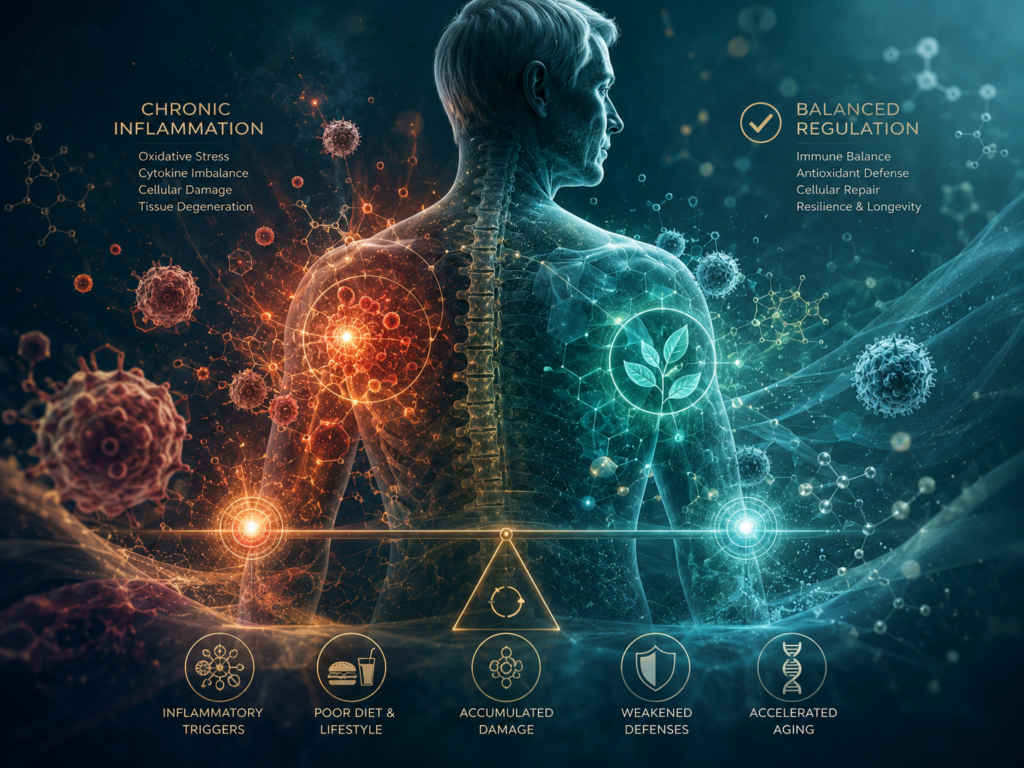
Chronic inflammation differs from the temporary inflammatory response that follows injury or infection.
Acute inflammation is usually short-lived and directed toward a recognizable problem. Chronic inflammation can persist for months or years and may continue even when there is no obvious external threat. The Cleveland Clinic’s Inflammation Support information explains that inflammation is protective when appropriately controlled but can damage healthy tissue when it continues for too long.
Common Drivers of Persistent Inflammation
| Driver | How it may contribute |
|---|---|
| Visceral adiposity | Adipose tissue releases inflammatory signaling molecules |
| Insulin resistance | Alters metabolic and immune signaling |
| Poor sleep | Disrupts endocrine, autonomic and immune regulation |
| Sedentary behavior | Reduces metabolic flexibility and muscle-derived protective signaling |
| Smoking | Produces repeated oxidative and tissue injury |
| Periodontal disease | Creates a persistent local inflammatory and microbial burden |
| Chronic infection | Maintains immune activation |
| Autoimmune disease | Directs immune activity toward the body’s own tissue |
| Environmental exposure | Repeated irritant exposure may sustain tissue stress |
| Senescent cells | Can release inflammatory signaling compounds |
| Gut-barrier dysfunction | May increase exposure to microbial components |
| Low diet quality | Reduces nutrient density and may increase metabolic stress |
Symptoms Are Nonspecific
Persistent fatigue, stiffness, poor sleep, brain fog or slow recovery are often attributed to inflammation. These symptoms are real, but they are not specific enough to identify inflammation as the cause.
They can also occur with anemia, hypothyroidism, medication effects, depression, sleep apnea, infection, undernutrition or cardiovascular disease.
A supplement should not replace diagnostic investigation when symptoms are persistent, severe or worsening.
Measuring Inflammation
Markers such as high-sensitivity C-reactive protein can provide information about inflammatory activity, but they do not identify every cause and should not be interpreted in isolation.
Recent infection, injury, obesity, autoimmune disease and other conditions can affect inflammatory markers.
The deeper Chronic Inflammation and Aging guide addresses drivers, biomarkers and the difference between inflammation as a mechanism and inflammation as a diagnosis.
Inflammaging Supplements
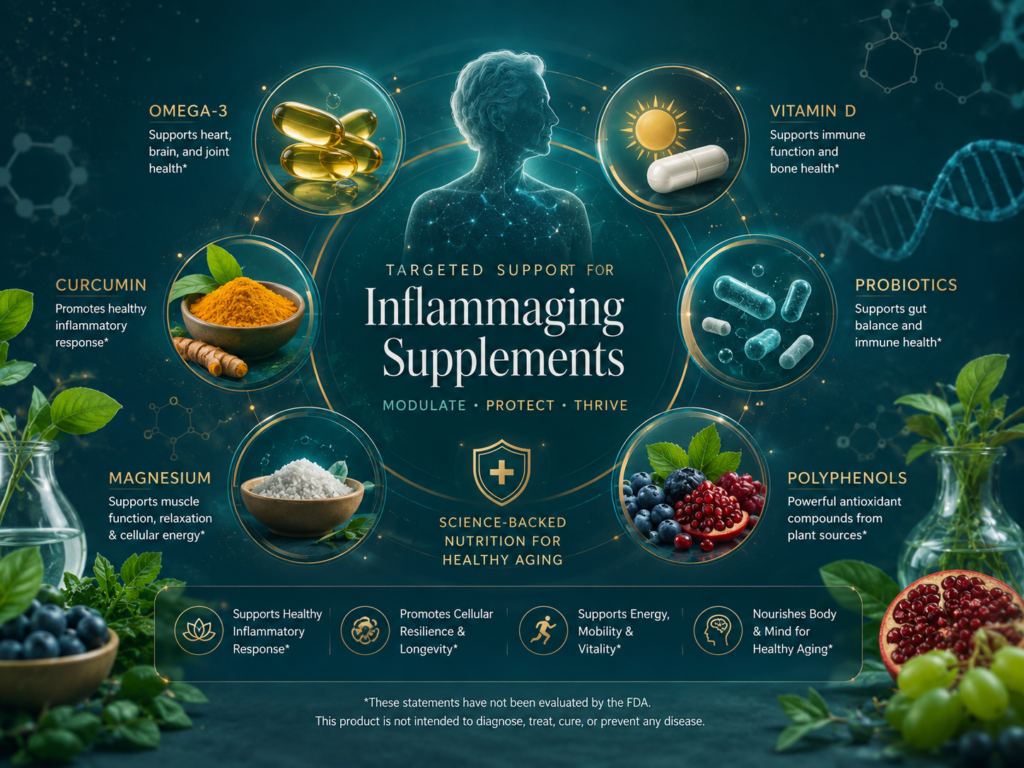
Inflammaging supplements are products intended to support healthier inflammatory regulation during aging.
The category often includes omega-3 fatty acids, curcumin, polyphenols, vitamin D, magnesium, probiotics, NAC, boswellia and antioxidant nutrients.
A more accurate approach is to group them by function.
Category 1: Deficiency Correction
These supplements address inadequate status rather than directly “treating” inflammaging.
Examples include vitamin D, zinc, selenium and other essential nutrients.
Their greatest value occurs when baseline intake or status is low.
Category 2: Cell-Membrane and Resolution Support
Omega-3 fatty acids influence cell-membrane composition and lipid mediators involved in inflammatory signaling.
They may fit a broader strategy that also includes fatty fish, unsaturated fats and lower intake of highly refined foods.
Category 3: Botanical Signaling Modulators
Curcumin, boswellia, ginger and selected polyphenols influence pathways associated with inflammatory signaling.
Their effects depend on extraction, standardization, absorption and dose.
Category 4: Gut–Immune Support
Selected probiotics, prebiotics and fermentable fibers may influence microbial ecology, barrier function and immune communication.
The effect of a probiotic is strain-specific. Fiber diversity and overall diet may have broader relevance than repeatedly changing probiotic capsules.
Category 5: Endogenous Antioxidant Support
NAC, selenium, alpha-lipoic acid and protein-derived amino acids can influence endogenous antioxidant systems.
These should not be stacked casually. The goal is to support normal biochemical capacity, not to overpower cellular signaling.
Category 6: Metabolic Inflammation Support
Magnesium, omega-3s, soluble fiber and selected metabolic supplements may indirectly affect inflammatory burden by improving nutritional or metabolic constraints.
This category reinforces a central principle: inflammaging cannot be separated from metabolic health.
The Inflammaging Supplements page evaluates these categories by mechanism, evidence strength and safety.
Conceptual Inflammaging Leverage Chart
The following chart represents strategic leverage rather than a measured treatment effect:
| Intervention area | Relative strategic leverage |
|---|---|
| Treating an underlying medical condition | █████ |
| Correcting nutrient deficiency | █████ |
| Improving sleep and physical activity | █████ |
| Reducing smoking and excess alcohol | █████ |
| Improving metabolic health and body composition | █████ |
| Improving diet quality and protein adequacy | ████ |
| Adding a targeted supplement | ███ |
| Adding a broad proprietary immune blend | ██ |
| Combining multiple high-dose products | █ |
How to Choose an Immune Support Supplement
A high-quality immune supplement should make it easy to understand what is present, why it is included and how much is provided.
Start With the Intended Outcome
“Immune support” is too broad to guide a purchase.
A person may actually be seeking:
- Correction of low vitamin D
- Adequate zinc intake
- Better recovery nutrition
- Joint-comfort support
- Respiratory-season support
- Gut-barrier support
- Antioxidant adequacy
- Inflammatory modulation
- A replacement for an incomplete diet
These are different problems and may require different interventions.
Look for Transparent Doses
The Supplement Facts panel should list the amount of each active ingredient.
Avoid formulas that hide most ingredients inside a proprietary blend. A long ingredient list can create an impression of comprehensiveness while providing clinically trivial amounts.
Evaluate the Form
The chemical or delivery form can affect absorption, tolerance and interaction potential.
Examples include:
- Vitamin D3 versus D2
- Elemental zinc amount rather than total compound weight
- EPA and DHA rather than total fish-oil weight
- Standardized curcuminoids rather than generic turmeric weight
- Identified probiotic strains rather than species names alone
- Extracted beta-glucans rather than an unspecified mushroom blend
Check for Duplication
An individual may unknowingly consume the same nutrient in a multivitamin, immune formula, bone supplement and standalone product.
Commonly duplicated nutrients include:
- Vitamin D
- Zinc
- Selenium
- Vitamin A
- Vitamin E
- Vitamin B6
- Magnesium
The total daily amount matters more than the number printed on one bottle.
Prefer Focused Formulas
A focused formula makes it easier to:
- Understand the intended mechanism
- Compare doses
- Identify side effects
- Avoid interactions
- Stop the correct ingredient when necessary
- Evaluate whether the product is helping
Examine Quality Signals
Useful quality indicators include:
- Lot-specific testing
- Independent contaminant testing
- Identity and potency verification
- Allergen disclosure
- Manufacturing location
- Expiration date
- Storage instructions
- Standardized botanical extracts
- Oxidation testing for oils
- Clear probiotic strain codes and end-of-shelf-life counts
A seal is not a guarantee of clinical effectiveness, but quality verification can reduce uncertainty about identity and contamination.
Avoid Disease-Cure Claims
Supplements are not substitutes for medical treatment and should not be marketed as cures for infections, autoimmune disease, arthritis, cancer, dementia or cardiovascular disease.
The Office of Dietary Supplements advises that supplements should not replace prescribed medicines or a varied diet and may produce unwanted effects when combined with medication, surgery or certain health conditions.
Commercial Evaluation Table
| Product feature | Stronger signal | Weaker signal |
|---|---|---|
| Ingredient disclosure | Exact compound and dose | Proprietary blend |
| Intended use | One or two defined outcomes | “Total immunity” or universal protection |
| Evidence relevance | Form matches studied formulation | Cites research on a different form |
| Quality control | Independent identity and contaminant testing | “Premium quality” without verification |
| Zinc labeling | Elemental zinc clearly listed | Only compound weight shown |
| Omega-3 labeling | EPA and DHA separately listed | Only total fish-oil amount |
| Probiotic labeling | Genus, species and strain | “Probiotic complex” |
| Botanical labeling | Extract ratio and standardization | Raw-herb equivalent alone |
| Safety | Interaction warnings included | “Natural means safe” language |
| Dose design | Near nutritional or studied range | Megadoses without rationale |
Safety and Supplement Interactions
Supplement safety becomes increasingly important with age because kidney function, liver metabolism, body composition and medication use can change.
Older adults may also be more susceptible to dizziness, gastrointestinal effects, bleeding and electrolyte disturbance.
The National Institute on Aging warns that supplements can produce unwanted side effects and unsafe interactions with prescription medications.
High-Priority Interaction Categories
| Supplement | Potential concern |
|---|---|
| Zinc | Copper depletion; interaction with certain antibiotics and penicillamine |
| Curcumin or turmeric extracts | Bleeding risk, gastrointestinal symptoms and possible drug-metabolism effects |
| Omega-3 fatty acids | Additional caution with anticoagulant or antiplatelet therapy |
| Vitamin E | Increased bleeding tendency at high supplemental doses |
| Vitamin D | Hypercalcemia risk at excessive doses; interactions with certain medications |
| Selenium | Toxicity from chronic excess |
| Probiotics | Additional caution in severely immunocompromised or critically ill individuals |
| Ashwagandha | Thyroid, autoimmune, sedative, blood-pressure and glucose-medication concerns |
| Astragalus | May be unsuitable with autoimmune disease or immunosuppressants |
| Ginger | Gastrointestinal effects and potential bleeding concerns |
| NAC | Medication interactions and gastrointestinal effects |
| Alpha-lipoic acid | May lower blood glucose |
| Echinacea | Allergy risk and possible interaction with immunosuppressants |
Immune-active herbs can be particularly problematic for individuals with autoimmune disorders or those taking immunosuppressants. For example, NCCIH advises caution or avoidance with compounds such as astragalus and ashwagandha in some autoimmune or immunosuppressed contexts.
Before Surgery
A complete supplement list should be shared with the surgical team well before a procedure.
Some supplements can affect bleeding, blood pressure, sedation, glucose or drug metabolism.
Do not assume that an herbal product is irrelevant because it is sold without a prescription.
During Cancer Treatment
Antioxidant, immune-active or anti-inflammatory supplements may interact with treatment goals or medication metabolism.
Cancer care teams should review all products, including teas, powders and botanical blends.
With Autoimmune Disease
“Stimulating” the immune system is not necessarily desirable when immune activity is already directed toward healthy tissue.
The appropriate goal may be disease-specific regulation rather than general immune enhancement.
With Kidney or Liver Disease
Kidney and liver conditions can alter the handling of nutrients and botanical compounds.
Minerals, fat-soluble vitamins and high-dose extracts may accumulate or produce effects that would be less likely in a healthy individual.
Stop and Seek Medical Advice for
- New rash or swelling
- Difficulty breathing
- Unusual bleeding or bruising
- Yellowing of the skin or eyes
- Severe abdominal pain
- Persistent vomiting
- Confusion
- Fainting
- Rapid or irregular heartbeat
- Sudden weakness
- Dark urine
- Symptoms that worsen after starting a supplement
The Immune Support Decision Framework
A reliable supplement strategy can be organized around six stages.
Stage 1: Define the Actual Problem
Replace vague goals such as “improve immunity” with a concrete question.
Examples include:
- Is dietary zinc intake inadequate?
- Is vitamin D status low?
- Is recovery from illness being limited by poor protein intake?
- Is the goal joint comfort rather than immune support?
- Are recurrent infections being medically investigated?
- Is inflammation being inferred from nonspecific symptoms?
Stage 2: Identify the Baseline Constraint
Review:
- Dietary pattern
- Protein intake
- Weight change
- Appetite
- Gastrointestinal symptoms
- Medication list
- Existing supplements
- Relevant laboratory results
- Chronic conditions
- Sleep
- Physical activity
- Smoking and alcohol use
- Oral health
Stage 3: Correct Foundations First
The foundational order is:
- Treat underlying disease.
- Correct clinically meaningful deficiency.
- Restore adequate energy and protein intake.
- Improve sleep, movement and metabolic health.
- Add a targeted supplement when a clear rationale remains.
Stage 4: Select the Narrowest Effective Product
Choose the simplest formula that addresses the identified need.
A single-nutrient or focused formula is often easier to evaluate than a 20-ingredient blend.
Stage 5: Define an Evaluation Period
Before starting, determine what outcome will be monitored.
Possible outcomes include:
- Correction of a laboratory deficiency
- Improved dietary adequacy
- Better tolerance or digestive regularity
- Joint-comfort changes
- Reduced need for duplicate supplements
- Improved recovery nutrition
Do not rely on a vague feeling of “stronger immunity” as the only measure.
Stage 6: Review and Deprescribe
Supplements should not remain in a routine indefinitely simply because they were once started.
Reassess whether:
- The original deficiency has resolved
- The dose is still appropriate
- A medication has changed
- Another supplement now duplicates it
- Side effects have appeared
- The expected benefit occurred
- The product is still necessary
Immune-Support Priority Matrix
| Baseline risk | Strength of rationale | Recommended approach |
|---|---|---|
| High deficiency risk | Strong nutritional rationale | Assess and correct promptly |
| High deficiency risk | Unclear ingredient relevance | Investigate before supplementing |
| Low deficiency risk | Strong targeted rationale | Consider a defined trial with safety review |
| Low deficiency risk | Weak or broad marketing rationale | Usually low priority |
| Multiple medications | Any botanical formula | Professional interaction review |
| Autoimmune or immunosuppressed | Immune-stimulating product | Avoid unsupervised use |
| Unexplained systemic symptoms | Any supplement strategy | Seek medical evaluation first |
Editorial Insights: The Future of Immune Longevity
The next phase of immune-support nutrition will move away from the mythology of permanent immune boosting.
Healthy immune aging is better understood as a problem of precision: maintaining adequate defenses, controlling unnecessary activation and restoring the ability to resolve inflammation.
This changes how supplements should be judged.
The strongest formula will not be the one with the most aggressive claims. It will be the one that addresses a measurable constraint without disturbing another system.
For one individual, that may mean correcting vitamin D status. For another, it may mean improving protein intake after illness. For someone else, the most effective anti-inflammatory intervention may be treating periodontal disease, improving glucose control or rebuilding muscle through resistance training.
Emerging immune-aging research may eventually allow supplement strategies to be matched more closely to biological age, immune-cell patterns, inflammatory markers, microbiome characteristics and metabolic phenotype. Until those tools become clinically practical, disciplined fundamentals remain more valuable than speculative stacks.
Correct deficiencies. Protect muscle. Maintain metabolic health. Preserve sleep. Review medications. Use targeted supplements with transparent doses. Reassess regularly.
That is not as dramatic as “supercharging” immunity, but it is far more compatible with the biology of healthy aging.
Immune Support Supplements FAQs
What are the best immune support supplements for seniors?
The best immune support supplements for seniors are those that correct a relevant deficiency or inadequate intake. Vitamin D, zinc, vitamin C, vitamin B12, protein and selected probiotics may be useful depending on diet, laboratory status, medications and health conditions.
Do immune support supplements really work?
Immune support supplements can work when they correct a nutritional limitation. Their benefit is less predictable in individuals who already have adequate nutrient status. No supplement can guarantee protection from infection or replace vaccination, sleep, nutrition and medical care.
What is the best vitamin for immune support after 60?
There is no single best vitamin for everyone. Vitamin D deserves attention because older adults may have reduced skin production and limited intake. Vitamin C, vitamin A, vitamin B6, vitamin B12 and folate also support normal immune biology, but supplementation should match individual need.
Can seniors take zinc every day?
Seniors can consume zinc daily within appropriate total-intake limits, but chronic high-dose supplementation can cause copper deficiency and impair immune function. The adult upper intake level is 40 milligrams of zinc per day from all sources unless medically directed otherwise.
Are anti-inflammatory supplements safe for older adults?
Some are appropriate for selected older adults, but safety depends on dose, formulation, kidney and liver function, health conditions and medication use. Curcumin, omega-3s, ginger and vitamin E require particular attention when anticoagulant or antiplatelet drugs are used.
FAQ Summary Table
| Question intent | Central answer |
|---|---|
| Best immune supplement | Match the product to a real nutritional need |
| Whether supplements work | Most useful when correcting a deficiency |
| Best vitamin after 60 | Often vitamin D assessment, but no universal answer |
| Daily zinc safety | Avoid chronic excess and consider copper balance |
| Anti-inflammatory safety | Review medications, bleeding risk and health conditions |
People Also Ask About Immune Support and Inflammation
What supplements reduce inflammation and support immunity?
Vitamin D, zinc and omega-3 fatty acids may influence both immune and inflammatory processes, while curcumin and selected polyphenols are primarily used for inflammatory modulation. The appropriate choice depends on nutritional status, intended outcome and medication safety.
How can an older adult strengthen the immune system naturally?
An older adult can support immune resilience through adequate protein, nutrient-dense meals, physical activity, sufficient sleep, vaccination, oral healthcare, smoking cessation and management of metabolic conditions. Supplements can fill identified nutritional gaps.
What is the difference between inflammation and inflammaging?
Inflammation is a normal response to infection, injury or tissue stress. Inflammaging is persistent, low-grade inflammatory activity associated with biological aging and influenced by cellular damage, metabolic dysfunction, immune changes and lifestyle factors.
Is curcumin or omega-3 better for inflammation?
Neither is universally better. Omega-3 fatty acids influence cell-membrane composition and lipid signaling, while curcumin affects several inflammatory and oxidative pathways. The decision depends on the intended outcome, product quality, tolerability and medication profile.
Can too many immune supplements weaken immunity?
Yes. Excessive zinc can cause copper deficiency, high-dose vitamin D can cause toxicity and inappropriate immune-active herbs may conflict with autoimmune disease or immunosuppressive medication. More ingredients do not automatically produce better immune function.
PAA Decision Chart
| Search question | Primary decision factor |
|---|---|
| What reduces inflammation? | Identify the cause before choosing a compound |
| How can seniors improve immunity? | Correct foundational nutrition and lifestyle gaps |
| What is inflammaging? | Distinguish chronic background signaling from acute defense |
| Curcumin or omega-3? | Compare mechanism, outcome and interaction profile |
| Can supplements weaken immunity? | Review excess dosing, duplication and contraindications |