
Affiliate Disclosure:
Some links on this page may be affiliate links. Geronutrition.com may earn a commission at no additional cost to you. This helps support independent research, evidence-based nutrition education and healthy aging resources.
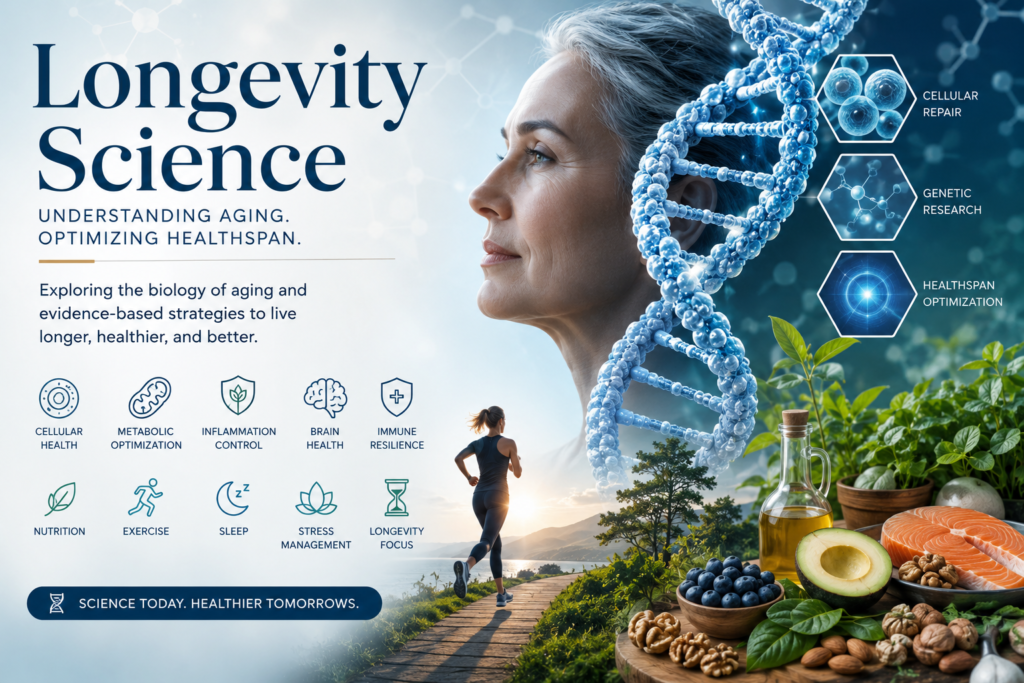
Aging is no longer viewed as a passive process that simply “happens.” Modern longevity science is transforming how researchers, clinicians, and nutrition experts understand aging at the cellular, metabolic, and nutritional level.
Today, scientists investigate how inflammation, mitochondrial decline, nutrient absorption, metabolic slowing, muscle loss, and cellular stress influence lifespan and healthspan simultaneously.
The goal is not merely living longer.
The goal is preserving:
- Strength
- Cognitive performance
- Metabolic health
- Immune resilience
- Independence
- Mobility
- Energy production
- Quality of life
That is where Geronutrition.com becomes important.
This guide connects the science of aging with evidence-based nutrition strategies designed specifically for older adults. It also serves as the central educational hub connecting deeper guides including:
- What Is Longevity Science?
- Why Longevity Nutrition Matters After 60
- Key Benefits of Longevity Science
- The Biology of Aging
- How Aging Changes Metabolism
- Inflammaging Explained
- Mitochondrial Health & Cellular Energy
- Sarcopenia and Muscle Loss
- Nutrient Deficiencies in Older Adults
- Healthy Aging Nutrition Strategies
- Longevity Supplements & Emerging Technologies
- Longevity Science Comparison Chart
- Risks & Mistakes in Anti-Aging Nutrition
- Costs of Longevity Optimization
- FAQs
What Is Longevity Science?
Longevity science is the multidisciplinary study of biological aging and the mechanisms that influence lifespan and healthspan. It is closely related to what is geronutrition, since both fields overlap in how nutrition, metabolism, and lifestyle interventions can influence aging outcomes at the cellular and systemic level.
It combines research from:
- Nutrition science
- Cellular biology
- Gerontology
- Metabolism
- Neuroscience
- Preventive medicine
- Biochemistry
- Functional medicine
- Exercise physiology
Instead of treating aging as unavoidable decline, longevity science investigates how aging pathways may be slowed, optimized, or stabilized through targeted lifestyle interventions.
Core longevity mechanisms include:
| Longevity Mechanism | Why It Matters |
|---|---|
| Mitochondrial function | Controls cellular energy production |
| Chronic inflammation | Accelerates tissue degeneration |
| Oxidative stress | Damages cells and DNA |
| Nutrient sensing pathways | Influences metabolism and lifespan |
| Muscle preservation | Protects mobility and metabolic health |
| Gut microbiome | Affects immunity and inflammation |
| Insulin sensitivity | Linked to healthy aging and disease prevention |
Who Is This Guide For?
This longevity science guide is designed for:
- Adults over 50 and 60
- Caregivers and family members
- Healthy aging clinics
- Functional nutrition practitioners
- Biohacking and longevity enthusiasts
- Seniors focused on independence and mobility
- Individuals experiencing low energy or muscle decline
- People researching anti-aging nutrition strategies
It is especially valuable for readers exploring:
- Age-related fatigue
- Poor recovery
- Cognitive decline
- Muscle weakness
- Metabolic slowing
- Nutrient deficiencies
- Chronic inflammation
Why Healthy Aging Nutrition Matters
Nutrition influences nearly every biological aging pathway.
As people age, the body becomes less efficient at:
- Absorbing nutrients
- Producing cellular energy
- Maintaining muscle mass
- Regulating inflammation
- Recovering from stress
- Preserving bone density
This is why healthy aging nutrition has become one of the fastest-growing preventive health sectors globally.
If you want to know how geronutrition works, read: How to use Geronutrition
Key Benefits of Longevity Nutrition Science
Preserves Muscle Mass
Protein quality and amino acid intake become increasingly important with age.
This is explored deeply in:
Sarcopenia and Aging
Supports Brain Health
Nutrients like omega-3 fatty acids, magnesium, B vitamins, and antioxidants help support cognitive performance and neurological resilience.
Improves Cellular Energy
Aging mitochondria produce less ATP, contributing to fatigue and slower recovery.
Learn more in:
Mitochondrial Health Aging
Reduces Chronic Inflammation
Persistent low-grade inflammation (“inflammaging”) is linked to many age-related conditions.
Explore:
Inflammaging Explained
Helps Maintain Metabolic Flexibility
The aging body processes glucose, fat, and protein differently over time.
The Biology of Aging
Cellular Aging and Oxidative Stress
Cells accumulate damage over time due to:
- Free radicals
- Environmental toxins
- Metabolic stress
- Inflammation
- DNA instability
When repair mechanisms weaken, aging accelerates.
Telomeres and Cellular Replication
Telomeres are protective caps at the ends of chromosomes. They shorten with repeated cell division and biological stress.
Shortened telomeres are associated with:
- Cellular aging
- Reduced regenerative capacity
- Increased disease risk
Mitochondrial Dysfunction
Mitochondria are often called the “power plants” of the cell.
Aging mitochondria may contribute to:
- Fatigue
- Muscle weakness
- Brain fog
- Reduced endurance
- Slower metabolism
To book an online consulatition with a Geritric Expert, visit: TeleGeriatric.com
How Aging Changes Metabolism
The relationship between metabolism and aging is one of the most searched topics in longevity nutrition science.
Aging alters:
| Metabolic Change | Common Effect |
|---|---|
| Reduced muscle mass | Lower calorie burn |
| Hormonal changes | Fat gain and fatigue |
| Lower mitochondrial efficiency | Reduced energy |
| Insulin resistance | Blood sugar instability |
| Reduced activity levels | Slower metabolic turnover |
Detailed guide:
How Aging Changes Metabolism
Aging and Nutrient Absorption
Many older adults consume enough calories but still develop nutrient deficiencies.
Why?
Because aging can impair absorption of:
- Vitamin B12
- Magnesium
- Calcium
- Iron
- Zinc
- Protein
- Vitamin D
Factors include:
- Reduced stomach acid
- Medication interactions
- Gut microbiome shifts
- Digestive disorders
- Reduced appetite
Learn more:
Aging and Nutrient Absorption
Inflammaging Explained
What Is Inflammaging?
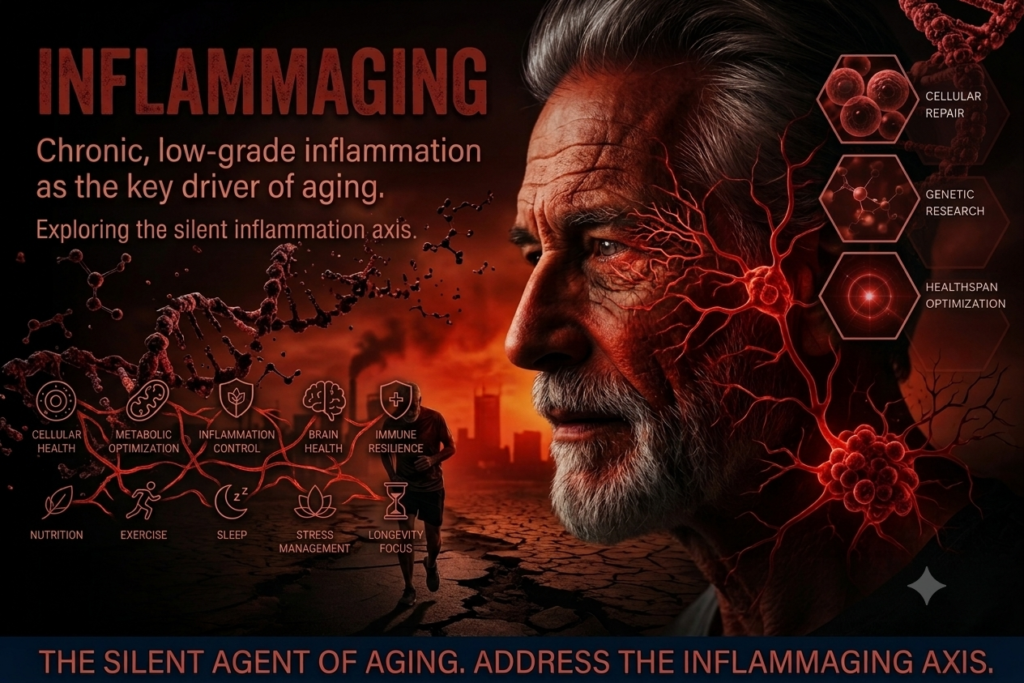
Inflammaging refers to chronic, low-grade inflammation associated with aging.
Unlike acute inflammation from injury, inflammaging persists for years and may silently damage tissues.
Potential Signs of Inflammaging
- Fatigue
- Joint stiffness
- Slower recovery
- Brain fog
- Metabolic dysfunction
- Muscle decline
Nutritional Strategies for Inflammaging
| Nutrition Strategy | Potential Benefit |
|---|---|
| Omega-3 fatty acids | Supports inflammatory balance |
| Polyphenol-rich foods | Antioxidant support |
| High-fiber diets | Gut microbiome support |
| Protein optimization | Muscle preservation |
| Mediterranean-style nutrition | Cardiometabolic support |
Deep guide:
Inflammaging Explained
Sarcopenia and Aging
Why Muscle Loss Accelerates With Age
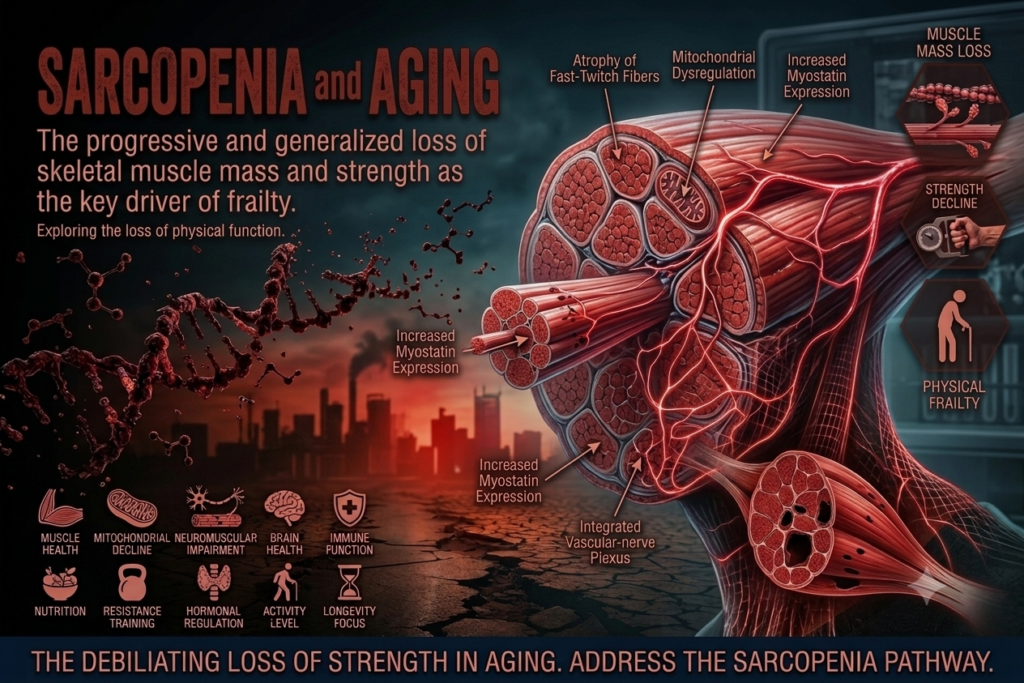
Sarcopenia refers to age-related muscle loss.
After age 50, adults may gradually lose muscle tissue due to:
- Reduced protein synthesis
- Hormonal decline
- Lower activity levels
- Chronic inflammation
- Poor protein intake
Why Sarcopenia Matters
Muscle is not only for strength.
Muscle affects:
- Glucose metabolism
- Mobility
- Fall prevention
- Bone stability
- Longevity outcomes
Complete guide:
Sarcopenia and Aging
Longevity Science Comparison Chart
Standard Aging Lifestyle vs Longevity-Focused Lifestyle
| Factor | Standard Aging Lifestyle | Longevity-Focused Lifestyle |
|---|---|---|
| Protein intake | Often insufficient | Optimized for muscle preservation |
| Activity | Sedentary | Resistance training & walking |
| Inflammation | Chronic elevation | Anti-inflammatory nutrition |
| Nutrient density | Processed foods | Whole nutrient-rich foods |
| Mitochondrial support | Neglected | Prioritized |
| Sleep quality | Irregular | Recovery-focused |
| Preventive nutrition | Minimal | Strategic and evidence-based |
| Cognitive support | Reactive | Proactive |
Trends & Latest Technology in Longevity Science
Longevity technology is expanding rapidly across nutrition, diagnostics, and preventive medicine.
1. Biological Age Testing
New epigenetic tests estimate biological age rather than chronological age.
2. Continuous Glucose Monitoring (CGM)
CGMs are increasingly used outside diabetes care for metabolic optimization.
3. AI-Powered Nutrition Platforms
Artificial intelligence now analyzes:
- Nutrient intake
- Biomarkers
- Sleep
- Recovery
- Metabolic responses
4. Personalized Supplement Stacks
Customized longevity supplement protocols are becoming mainstream.
Popular categories include:
- Mitochondrial support nutrients
- Omega-3 formulations
- Protein optimization
- Healthy aging multivitamins
- Magnesium complexes
5. Muscle Longevity Technologies
Advanced resistance systems and recovery tools are being integrated into healthy aging programs.
Upcoming Longevity Nutrition Trends
Precision Geronutrition
Future nutrition plans may be based on:
- Genetics
- Microbiome analysis
- Continuous biomarker tracking
- AI-driven dietary adaptation
Mitochondrial Nutrition
Mitochondrial health aging is becoming one of the highest-growth areas in preventive health.
Longevity Clinics
Dedicated longevity medicine clinics are emerging worldwide.
Protein Optimization for Seniors
Senior-focused protein formulations and leucine-enhanced nutrition products are rapidly growing.
Costs of Longevity Optimization
Basic Healthy Aging Nutrition
| Category | Estimated Monthly Cost |
|---|---|
| Protein optimization | $30–$80 |
| Omega-3 supplements | $20–$50 |
| Vitamin D & magnesium | $10–$40 |
| Whole-food diet upgrades | $100–$300 |
Advanced Longevity Tracking
| Technology | Estimated Cost |
|---|---|
| Biological age testing | $100–$500 |
| CGM monitoring | $75–$300 |
| Functional lab panels | $200–$1000+ |
| Personalized nutrition programs | $100–$500/month |
Risks & Mistakes in Longevity Science
Not all anti-aging advice is evidence-based.
Common Mistakes
Excessive Supplement Stacking
Too many supplements may increase risks of interactions or nutrient imbalance.
Ignoring Protein Intake
Many older adults prioritize vitamins while under-consuming protein.
Following Social Media Biohacks Blindly
Some trends lack long-term scientific validation.
Neglecting Resistance Training
Exercise remains one of the strongest longevity interventions.
Restrictive Dieting in Older Adults
Severe calorie restriction may worsen muscle loss and frailty.
Best Foundational Strategies for Healthy Aging Nutrition
Prioritize Protein
Older adults generally require more protein than younger adults for muscle maintenance.
Support Mitochondrial Function
Focus on:
- Sleep
- Movement
- Antioxidant-rich foods
- Nutrient density
Reduce Ultra-Processed Foods
Highly processed diets are linked to inflammation and metabolic dysfunction.
Maintain Physical Activity
Resistance training is strongly associated with healthy aging outcomes.
Monitor Nutrient Deficiencies
Important nutrients include:
- Vitamin D
- B12
- Magnesium
- Calcium
- Zinc
- Omega-3 fatty acids
Detailed guide:
Nutrient Deficiencies in Older Adults
Frequently Asked Questions (FAQs)
What is longevity science?
Longevity science studies the biological mechanisms of aging and explores how nutrition, lifestyle, metabolism, and cellular health influence lifespan and healthspan.
What foods support healthy aging?
Protein-rich foods, omega-3 fatty acids, fiber-rich plants, antioxidant-rich berries, olive oil, nuts, and mineral-rich foods are commonly associated with healthy aging nutrition.
Why does metabolism slow with age?
Aging is associated with reduced muscle mass, hormonal changes, and lower mitochondrial efficiency, all of which can reduce metabolic rate.
What is inflammaging?
Inflammaging refers to chronic low-grade inflammation linked to aging and age-related biological decline.
How can older adults support mitochondrial health?
Exercise, adequate sleep, nutrient-dense diets, antioxidant-rich foods, and proper protein intake may help support mitochondrial function during aging.
People Also Ask (PAA)
What is the difference between lifespan and healthspan?
Lifespan refers to total years lived, while healthspan refers to years lived in good health and functional independence.
At what age does muscle loss begin?
Age-related muscle decline can begin gradually after age 30 and accelerates significantly after age 50.
Why are older adults more vulnerable to nutrient deficiencies?
Changes in digestion, medication use, appetite, and absorption efficiency increase deficiency risk with aging.
Can nutrition slow biological aging?
Nutrition may influence inflammation, oxidative stress, metabolic health, and muscle preservation, all of which are associated with biological aging pathways.
What is the best diet for longevity?
Mediterranean-style dietary patterns emphasizing whole foods, healthy fats, fiber, and adequate protein are commonly studied in longevity research.