
Amazon Affiliate Disclosure
Some links in this guide may be affiliate links. If you purchase through them, Geronutrition may earn a small commission at no extra cost to you. This helps support research and content development.
Metabolic Support Supplements for Healthy Aging & Longevity
Metabolic health quietly determines how well the body ages. Energy levels, blood sugar balance, weight stability, and even cognitive clarity are deeply tied to how efficiently cells process fuel. This is where metabolic support supplements become relevant—not as quick fixes, but as structured nutritional tools designed to stabilize metabolic pathways that tend to decline with age.
At Geronutrition, our goal is to build a comprehensive framework for Healthy Aging & Longevity Supplements, mapping out how targeted nutrition can extend healthspan. Within this framework, aging should not mean metabolic decline. Instead, it should mean metabolic adaptation.
Quick Jump
- What is Metabolic Support
- Who Needs It
- Benefits & Mechanisms
- Key Supplements Breakdown
- Blood Sugar Support Supplements
- Berberine for Metabolic Health
- Magnesium & Insulin Resistance
- Metabolic Syndrome Supplements for Seniors
- Comparison Chart
- Trends & Emerging Science
- Risks & Safety
- FAQs
What is Metabolic Support?
Metabolic support refers to nutritional and biochemical strategies that enhance how the body converts food into energy. It focuses on three core systems:
- Glucose regulation (blood sugar control)
- Mitochondrial energy production (ATP output)
- Hormonal balance (insulin, cortisol, leptin sensitivity)
Unlike general wellness supplements, metabolic support supplements target deeper cellular processes rather than surface-level energy boosts. To successfully implement these protocols, it is vital to understand how aging changes metabolism on a cellular level, altering everything from baseline energy expenditure to nutrient partitioning.
Who Needs Metabolic Support Supplements?
This category is especially relevant for:
- Adults over 40 experiencing energy fluctuations
- Individuals with slow weight loss response
- People with insulin resistance or prediabetes
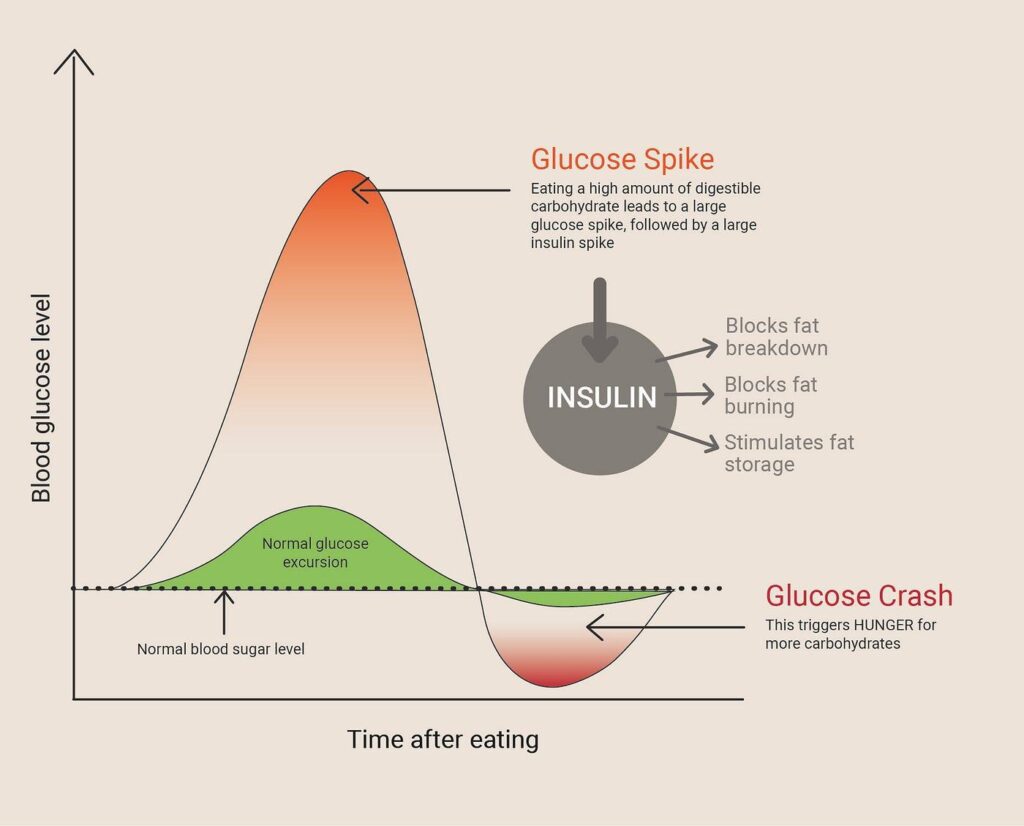
- Seniors dealing with fatigue or post-meal crashes
- Those with family history of metabolic syndrome
- Older adults who may also benefit from bone supplements, since metabolic health and bone metabolism are closely connected through nutrients such as magnesium, vitamin D, and calcium.
👉 If energy drops after meals feel “normal” it often signals metabolic inefficiency, not aging itself.
Benefits of Metabolic Support Supplements
Metabolic optimization impacts multiple systems at once:
1. Stable Energy Output
Instead of spikes and crashes, energy becomes more linear throughout the day.
2. Improved Insulin Sensitivity
Cells respond more efficiently to glucose signals.
3. Better Fat Utilization
The body shifts from glucose dependency toward fat oxidation.
4. Weight Management Support
Especially relevant for weight gain after 50–60.
5. Reduced Inflammatory Load
Many metabolic pathways are tightly linked to systemic inflammation. In fact, optimizing cellular energy production is a critical component of broader immune and inflammation support, helping to mitigate the low-grade chronic inflammation associated with metabolic dysfunction.
Blood Sugar Supplements Support

Blood sugar control is the foundation of metabolic stability.
Key Mechanism
These supplements reduce glucose spikes after meals and improve cellular uptake efficiency.
Common Ingredients
- Chromium picolinate
- Alpha-lipoic acid
- Cinnamon extract
- Gymnema sylvestre
Practical Insight
Consistent blood sugar stability reduces long-term strain on pancreatic function, indirectly supporting healthy aging trajectories.
Berberine supplement for blood sugar
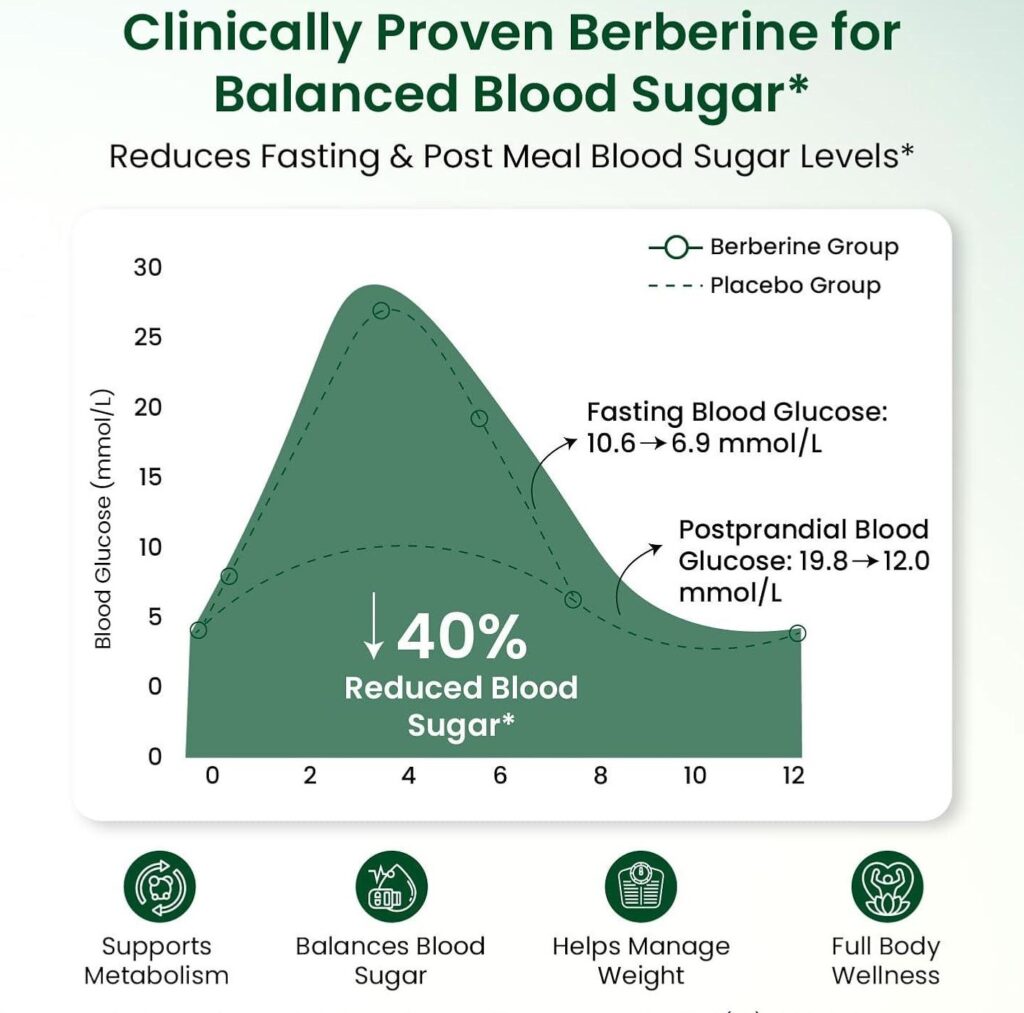
Berberine is often compared with mild pharmaceutical-grade metabolic regulators due to its strong influence on AMPK activation.
How It Works
- Activates AMPK (“metabolic master switch”)
- Improves glucose uptake
- Supports lipid metabolism
Why It Matters in Aging
With age, AMPK activity naturally declines, leading to slower energy turnover and fat accumulation. Interestingly, the metabolic improvements driven by AMPK activation also yield significant neurological benefits; metabolic efficiency directly influences brain health, making it an excellent companion strategy to targeted cognitive support protocols aimed at preserving memory and focus.
Magnesium & Insulin Resistance Support
Magnesium plays a structural role in insulin receptor signaling.

Key Functions
- Improves insulin receptor sensitivity
- Supports ATP production
- Reduces muscle fatigue, making magnesium an important nutrient for Protein Muscle Support alongside adequate protein intake and resistance exercise.
Aging Relevance
Low magnesium status is commonly associated with metabolic slowdown in older adults.
Metabolic Syndrome Supplements for Seniors
Metabolic Syndrome becomes more prevalent with age, but it is modifiable.
Core Supplement Stack
- Berberine (glucose regulation)
- Omega-3 fatty acids (lipid balance)
- Magnesium (insulin signaling)
- CoQ10 (mitochondrial support)
Strategic Insight
Rather than targeting a single symptom, senior metabolic support requires a multi-pathway correction approach.
Key Metabolic Support Supplements Comparison
| Supplement | Primary Function | Best For | Strength Level |
|---|---|---|---|
| Berberine | AMPK activation & glucose control | Prediabetes, weight gain | High |
| Magnesium | Insulin sensitivity & energy | Fatigue, cramps, aging metabolism | Moderate |
| Chromium | Glucose regulation | Sugar cravings | Moderate |
| Alpha-lipoic acid | Cellular antioxidant support | Nerve & metabolic health | Moderate |
Metabolic Support Supplements vs Lifestyle Approach
| Factor | Supplements | Lifestyle (Diet/Exercise) |
|---|---|---|
| Speed of impact | Moderate | Slow but foundational |
| Sustainability | Medium | Very high |
| Precision targeting | High | Low |
| Cost efficiency | Moderate | High |
👉 Best outcomes come from combining both strategies rather than isolating either one. For a comprehensive approach to healthy aging, explore the evidence-based resources available on Geronutrition.com, where nutrition, supplements, meal planning, and longevity strategies are integrated into a complete geronutrition framework.
Trends & Latest Science in Metabolic Health (2026)
The metabolic health field is shifting toward:
- AMPK-targeted nutraceuticals
- NAD+ precursors for mitochondrial aging
- Continuous glucose monitoring (CGM)-guided nutrition
- Personalized metabolic testing (biomarker-driven supplementation)
Emerging insight: metabolic aging is increasingly treated as a systems biology problem, not a calorie problem.
Upcoming Directions in Metabolic Support
- Smart supplement stacks based on glucose data
- Time-released mineral formulations
- Combination nootropic–metabolic hybrids
- Microbiome-linked metabolic enhancers
The next generation of metabolic support supplements will likely integrate real-time biofeedback loops.
Risks & Considerations
While generally safe, metabolic supplements require contextual awareness:
- Overuse may cause glucose dips in sensitive individuals
- Drug interactions (especially with diabetes medications)
- Magnesium excess can affect digestion
- Berberine should be cycled, not overused continuously
Medical supervision is advised for individuals with chronic conditions.
Quick Picks: Metabolic Support Stack
- Best for blood sugar stability → Berberine-based stack
- Best for daily energy → Magnesium + CoQ10
- Best for aging metabolism → Multi-pathway stack (lipids + glucose + mitochondria)
- Best for weight resistance → AMPK-focused formula
- Best for seniors → Combined metabolic syndrome protocol
Frequently Asked Questions (FAQs)
Can metabolic support supplements help with age-related metabolic slowdown?
Yes, metabolic support supplements may help address some of the biological changes that occur with aging, but they are not a replacement for healthy lifestyle habits. After about age 40, muscle mass gradually declines, insulin sensitivity may decrease, mitochondrial energy production becomes less efficient, and recovery from meals and exercise often slows. These changes can contribute to fatigue, weight gain, and poorer glucose regulation.
Certain nutrients and plant compounds support metabolic pathways involved in energy production and blood sugar regulation.
| Supplement Category | Primary Role | Best For |
|---|---|---|
| Magnesium | Supports insulin signaling and ATP production | Muscle function and glucose metabolism |
| Berberine | Helps regulate glucose metabolism | Blood sugar management |
| Alpha-Lipoic Acid | Antioxidant that supports glucose utilization | Oxidative stress |
| Chromium | Supports insulin activity | Blood sugar balance |
| CoQ10 | Supports mitochondrial energy production | Fatigue and cellular energy |
Expected Benefits Timeline
| Time | Possible Changes |
|---|---|
| Weeks 1–2 | Better hydration and mineral balance |
| Weeks 2–4 | Improved daily energy consistency |
| Weeks 4–8 | Better glucose regulation with healthy diet |
| Months 2–6 | Improved metabolic resilience when combined with exercise |
The greatest improvements occur when supplements are combined with resistance training, adequate protein intake, sufficient sleep, and consistent physical activity.
What are the best metabolic support supplements for healthy aging?
No single supplement works for everyone because metabolism is influenced by genetics, diet, medications, body composition, and activity level. Instead of searching for one “best” supplement, it is more helpful to match nutrients to specific metabolic goals.
| Goal | Helpful Nutrients |
|---|---|
| Blood sugar support | Berberine, Chromium |
| Energy production | CoQ10, Magnesium |
| Insulin sensitivity | Magnesium, Alpha-Lipoic Acid |
| Mitochondrial health | CoQ10, Acetyl-L-Carnitine |
| Oxidative stress | Alpha-Lipoic Acid |
Decision Guide
Low Energy?
      │
      ▼
Check Sleep & Nutrition
      │
      ▼
Persistent Fatigue?
      │
      ▼
Discuss Supplements with Healthcare Provider
      │
      ▼
Monitor Progress for 8–12 Weeks
Rather than taking multiple supplements at once, introduce one evidence-supported product at a time while monitoring its effects.
Can metabolic supplements improve insulin sensitivity naturally?
They may contribute to healthier insulin function, especially when combined with dietary improvements and regular exercise.
Insulin acts like a “key” that allows glucose to enter cells. As people age, cells may respond less efficiently to insulin, resulting in higher circulating blood sugar and reduced energy availability.
Several nutrients participate in this process.
| Nutrient | Mechanism |
|---|---|
| Magnesium | Supports insulin receptor activity |
| Chromium | Improves insulin efficiency |
| Berberine | Activates AMPK metabolic pathways |
| Alpha-Lipoic Acid | Enhances glucose uptake |
Lifestyle vs Supplements
| Intervention | Impact on Insulin Sensitivity |
|---|---|
| Weight management | Very High |
| Resistance exercise | Very High |
| High-fiber diet | High |
| Supplements | Moderate Support |
Supplements enhance—not replace—the biological adaptations created by healthier lifestyle habits.
Are metabolic support supplements safe for older adults?
Many metabolic supplements have favorable safety profiles when used appropriately, but safety depends on medications, existing health conditions, kidney function, liver health, and dosage.
Older adults are more likely to take medications that may interact with nutritional supplements.
| Supplement | Common Considerations |
|---|---|
| Berberine | May interact with diabetes medications |
| Magnesium | Use caution in kidney disease |
| Chromium | Avoid excessive doses |
| Alpha-Lipoic Acid | Monitor blood sugar if diabetic |
| CoQ10 | May interact with blood-thinning medications |
Safety Checklist
✓ Review medications
✓ Start with one supplement
✓ Follow recommended dosages
✓ Monitor symptoms
✓ Inform healthcare providers about all supplements
Safety is improved when supplements are selected according to individual nutritional needs rather than marketing claims.
How long does it take for metabolic support supplements to work?
Most metabolic nutrients work gradually because they support ongoing biological processes rather than providing immediate stimulation.
| Time Period | Expected Response |
|---|---|
| Days | Usually little noticeable change |
| 2–4 Weeks | Energy consistency may improve |
| 4–8 Weeks | Appetite and glucose regulation may improve |
| 2–3 Months | Greater benefit when combined with exercise |
| 6+ Months | Long-term metabolic maintenance |
Progress Monitoring Chart
Energy
Week 1   ▓▓
Week 4   ▓▓▓▓
Week 8   ▓▓▓▓▓▓
Month 3  ▓▓▓▓▓▓▓▓
Consistency matters more than rapid results. Sustainable improvements usually develop over several months as nutrition, physical activity, and metabolic health reinforce one another.
People Also Ask (PAA)
How can you improve metabolic health after age 60?
Improving metabolism after age 60 requires supporting multiple body systems rather than focusing on calorie restriction alone. Muscle preservation becomes increasingly important because skeletal muscle is one of the body’s largest sites for glucose disposal.
A comprehensive strategy includes:
- Eating sufficient high-quality protein
- Performing resistance exercise at least twice weekly
- Walking daily
- Maintaining healthy sleep habits
- Staying hydrated
- Correcting vitamin and mineral deficiencies when appropriate
| Lifestyle Habit | Effect on Metabolism |
|---|---|
| Protein intake | Preserves muscle |
| Strength training | Increases glucose utilization |
| Walking | Improves insulin sensitivity |
| Sleep | Supports hormone regulation |
| Hydration | Maintains cellular metabolism |
Healthy aging depends on maintaining muscle, mobility, and metabolic flexibility rather than simply losing weight.