
Amazon Affiliate Disclosure
Some links on this page may lead to products available on Amazon and other affiliate partners. If you purchase through them, Geronutrition may earn a small commission at no additional cost to you. This helps support research-based content and tool development across the platform.
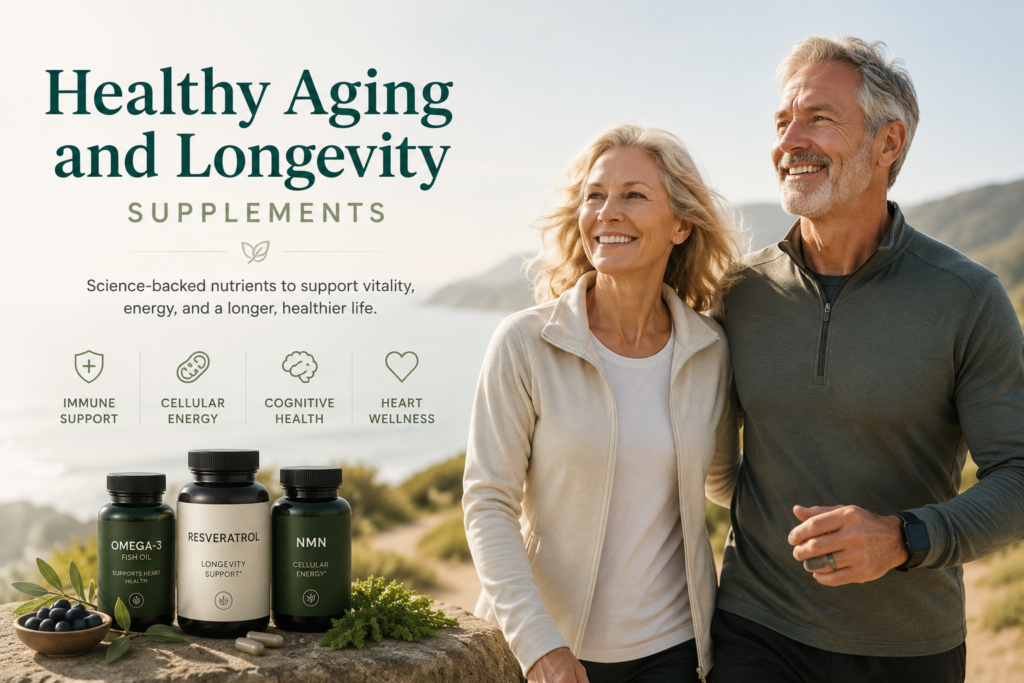
Aging is not a single process. It is a layered biological transition involving muscle decline, bone loss, metabolic slowdown, immune remodeling and gradual cognitive change.
This guide to Healthy Aging and Longevity Supplements is designed to map those systems into a structured framework—so you can understand what actually supports function after 40, 50, 60 and beyond.
The modern supplement market often treats these issues separately. In reality, they are interconnected systems of aging biology.
If you want to explore deeper science-first breakdowns, you can return to the Geronutrition Homepage.
Quick Jump
- 🧬 Muscle & Protein Support → Protein, Creatine, Leucine
- 🦴 Bone Health → Calcium, D3/K2, Magnesium
- 🧠 Brain Health → Omega-3, B12, Nootropics
- ⚡ Metabolic Health → Berberine, Magnesium, Glucose Support
- 🛡 Immune & Inflammation → Zinc, Curcumin, Antioxidants
What This Guide Is For
This page is designed as a decision-layer framework for evidence-based supplementation in healthy aging and longevity science, not a conventional product directory. Instead of pushing isolated “best supplements,” it organizes information around aging biology, clinical mechanisms, and functional outcomes.
Modern supplementation is no longer about single nutrients in isolation—it sits within the broader fields of longevity nutrition, geroscience, and clinical metabolic optimization. This guide helps you interpret that landscape with clarity.
It allows you to:
Understand Aging Biology and Targeted Supplement Strategy
Identify supplements through the lens of age-related biological pathways, including:
- Mitochondrial dysfunction and cellular energy decline
- Chronic low-grade inflammation (inflammaging)
- Oxidative stress and antioxidant depletion
- Hormonal and metabolic dysregulation with age
- Cellular senescence and tissue repair slowdown
This transforms supplement selection from marketing claims into mechanism-driven decision making.
Distinguish Evidence-Based Longevity Supplements from Marketing Noise
The supplement industry is saturated with trends that often lack clinical grounding. This guide filters based on:
- Human clinical evidence vs preclinical hype
- Biomarker-driven outcomes (CRP, insulin sensitivity, lipid markers, NAD+ levels)
- Reproducible effects in aging-related studies
- Dosage relevance in real-world metabolic health contexts
It helps you differentiate between proven longevity interventions and speculative “anti-aging” compounds.
Compare Core Functional Health Domains in Aging
Instead of treating supplements as isolated products, this framework organizes them into functional aging systems, including:
- Muscle preservation and sarcopenia prevention (lean mass retention, strength, protein synthesis support)
- Bone density and skeletal resilience (osteoporosis prevention, calcium metabolism, vitamin D synergy)
- Cognitive performance and neuroprotection (memory support, neuroinflammation reduction, synaptic health)
- Metabolic health and insulin sensitivity (glucose regulation, lipid metabolism, energy balance)
- Immune resilience and immune aging (immunosenescence) (adaptive immune support, infection resistance)
- Cardiovascular aging and endothelial function
This structure enables cross-category comparison of longevity interventions rather than isolated supplement evaluation.
Navigate Clinical Supplement Clusters Inside Geronutrition
This guide acts as an entry point into deeper, research-aligned clusters across Geronutrition, including:
- Geroprotectors and longevity compounds
- NAD+ metabolism and cellular energy boosters
- Senolytics and senescence-targeting compounds
- Mitochondrial optimization protocols
- Metabolic health and insulin regulation stacks
- Evidence-based micronutrient correction frameworks
- Inflammation and oxidative stress modulation systems
Each cluster is designed to reflect real biological targets in aging science, not lifestyle trends.
In essence, this guide functions as a systems-level navigation layer for modern clinical nutrition and longevity supplementation, helping you move from general interest in “health supplements” toward a structured understanding of how aging biology can be modulated through targeted nutritional strategies.
It connects directly with:
- Protein & Muscle Support
- Bone Support Supplements
- Cognitive Support
- Metabolic Support
- Immune & Inflammation Support
Who Needs Healthy Aging and Longevity Supplements?
Healthy aging and longevity supplementation is most relevant when the body begins to show measurable or functional decline across metabolic, musculoskeletal, or cognitive systems. This is not limited to old age—it often begins subtly in midlife as cellular repair efficiency, hormonal balance, and metabolic flexibility gradually shift.
This framework is designed for individuals who are either preventing accelerated aging trajectories or actively managing age-related biological changes.
It is especially relevant for:
Adults Aged 40+ Experiencing Early Biological Decline
From midlife onward, many people begin to notice early signals of aging biology, even if they remain clinically healthy. This may include:
- Reduced energy stability throughout the day
- Slower recovery from exercise or stress
- Early changes in body composition (loss of lean muscle, increased fat accumulation)
- Sleep fragmentation and reduced deep sleep quality
- Declining metabolic flexibility and insulin sensitivity
At this stage, longevity-focused supplementation is often used to support mitochondrial function, hormonal balance, and metabolic resilience, aiming to slow downstream decline before it becomes structural.
Older Adults and Seniors Managing Frailty or Sarcopenia
In later life, one of the most significant health transitions is the gradual loss of muscle mass, strength, and physical resilience, often referred to as sarcopenia. This may present as:
- Reduced grip strength or walking speed
- Higher fatigue during routine activity
- Increased fall risk or instability
- Slower recovery from illness or injury
Here, supplementation strategies are typically focused on muscle protein synthesis support, amino acid availability, vitamin D optimization, and mitochondrial energy support, all of which are critical for maintaining independence and functional capacity.
Individuals with Osteoporosis or Age-Related Bone Density Loss
Bone remodeling becomes less efficient with age, especially after hormonal shifts such as menopause or androgen decline. This framework applies to those dealing with:
- Diagnosed osteopenia or osteoporosis
- Fragility fractures or increased fracture risk
- Chronic calcium or vitamin D insufficiency
- Reduced skeletal recovery capacity
Supplement strategies in this category are generally oriented toward bone mineral density support, collagen matrix integrity, and calcium-phosphate regulation, alongside hormonal and inflammatory balance considerations.
People Experiencing Cognitive Decline, Memory Changes, or Mental Fatigue
Cognitive aging does not begin suddenly—it progresses through subtle shifts in neural efficiency and neurotransmitter balance. This applies to individuals experiencing:
- Forgetfulness or reduced short-term memory retention
- Difficulty maintaining focus or mental clarity
- Slower processing speed or “mental fatigue”
- Increased brain fog under stress or poor sleep
In these cases, longevity nutrition often targets neuroinflammation, synaptic plasticity, cerebral blood flow, and mitochondrial brain energy metabolism, with the goal of preserving cognitive performance over time.
Individuals with Blood Sugar Instability or Metabolic Syndrome
Metabolic dysfunction is one of the strongest predictors of accelerated aging. This group includes those with:
- Insulin resistance or prediabetes
- Fluctuating energy levels after meals
- Abdominal fat accumulation and poor lipid balance
- Elevated fasting glucose or HbA1c trends
- Diagnosed metabolic syndrome
Here, supplementation frameworks typically focus on glucose regulation, insulin signaling efficiency, lipid metabolism, and mitochondrial glucose utilization, which are central to slowing systemic aging progression.
Caregivers Supporting Long-Term Nutritional and Functional Health
This framework is also highly relevant for caregivers managing the health of aging individuals. In these cases, supplementation is not only corrective but also preventive and supportive, helping maintain:
- Nutritional adequacy in reduced appetite states
- Muscle preservation during inactivity or illness
- Cognitive stability in neurodegenerative conditions
- Immune resilience in long-term care settings
- Recovery capacity after hospitalization or chronic stress
Caregiver-directed supplementation strategies often emphasize simplicity, safety, and multi-system coverage, ensuring consistent nutritional support where diet alone may be insufficient.
In essence, this framework applies to anyone transitioning from basic nutrition toward targeted biological support, where the goal is no longer only health maintenance, but preservation of function, resilience, and physiological independence across aging systems.
Benefits of Longevity-Oriented Supplementation
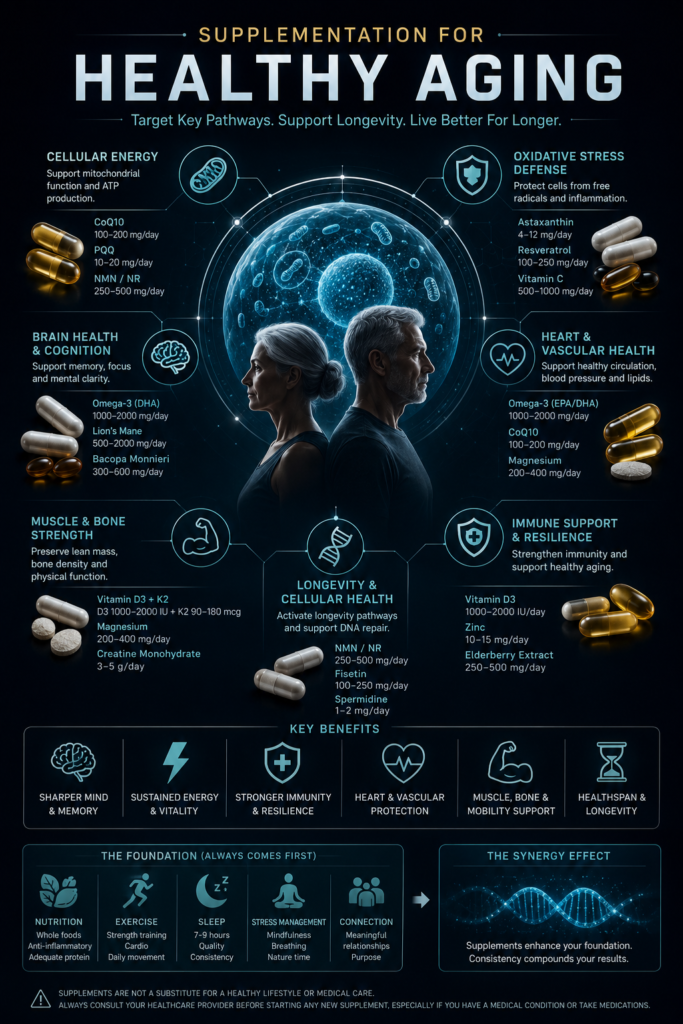
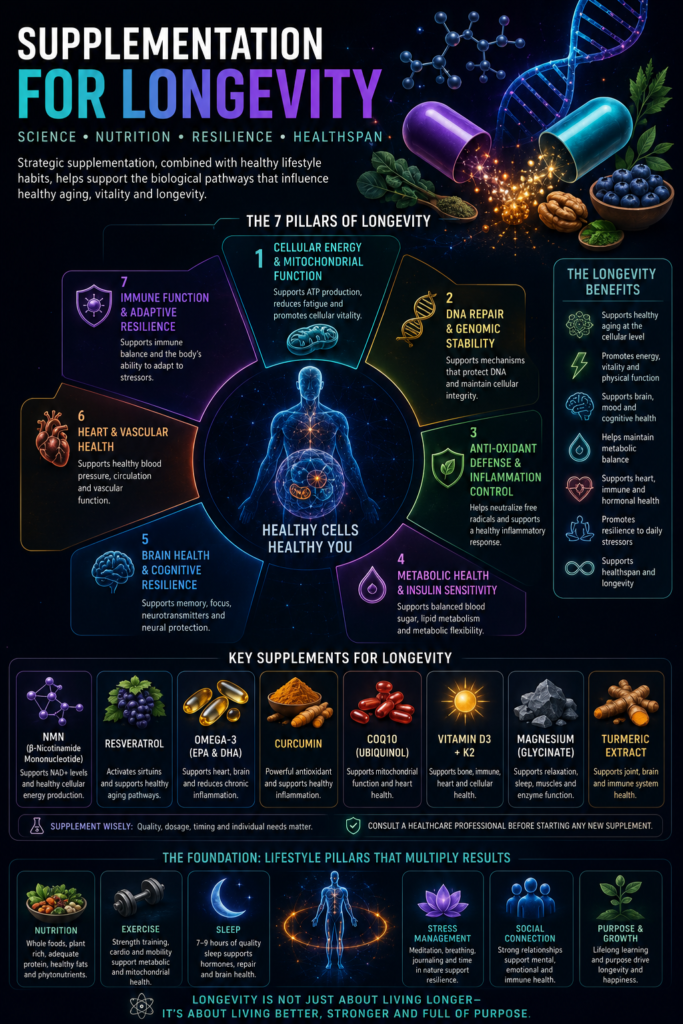
When supplementation is designed around human aging biology rather than isolated nutrient fixes, its role shifts from short-term support to long-term physiological stabilization. The goal is not stimulation or quick correction, but sustained optimization of core systems that degrade with age.
When aligned with real physiological mechanisms, longevity-oriented supplementation may support the following domains:
1. Muscle Preservation and Functional Strength Maintenance
One of the earliest and most impactful aspects of biological aging is the gradual loss of skeletal muscle tissue and neuromuscular efficiency. Targeted nutritional support can help maintain:
- Ongoing muscle protein synthesis efficiency
- Preservation of lean body mass during aging or inactivity
- Improved recovery after physical stress or illness
- Reduced risk of sarcopenia and age-related frailty
At a systems level, this supports not just appearance or strength, but mobility, independence, and metabolic health, since muscle tissue is a key regulator of glucose utilization and energy expenditure.
2. Bone Density Stability and Structural Integrity
Bone tissue is continuously remodeled throughout life, but this balance becomes less efficient with age, particularly under hormonal and nutritional stress. Longevity-focused supplementation may contribute to:
- Maintenance of bone mineral density over time
- Support for calcium and phosphorus homeostasis
- Improved collagen matrix structure within bone tissue
- Reduced risk of fragility fractures and skeletal deterioration
This is not limited to calcium intake alone—it involves vitamin D signaling, collagen scaffolding, and endocrine regulation of bone turnover, all of which determine long-term skeletal resilience.
3. Cognitive Maintenance and Neural Energy Support
Brain aging is strongly linked to shifts in mitochondrial efficiency, synaptic plasticity, and neuroinflammatory load. Targeted supplementation strategies may help support:
- Sustained neurotransmitter balance involved in attention and memory
- Efficient cerebral energy metabolism, particularly glucose and ketone utilization
- Protection against oxidative stress in neural tissue
- Maintenance of cognitive processing speed and mental clarity
This domain focuses on preserving functional cognition rather than short-term stimulation, aiming to support long-term brain resilience.
4. Metabolic Control and Energy Regulation Stability
Metabolic aging often begins with subtle disruptions in insulin signaling and energy partitioning. Supplementation aligned with metabolic health may assist in:
- Improved insulin sensitivity and glucose handling
- More stable post-meal energy levels and reduced energy crashes
- Better lipid metabolism and triglyceride regulation
- Enhanced mitochondrial energy efficiency at the cellular level
This contributes to reducing metabolic strain, which is closely linked to accelerated aging, cardiovascular risk, and systemic inflammation.
5. Immune Balance and Inflammation Modulation
Aging is commonly associated with a chronic, low-grade inflammatory state often described as “inflammaging.” Properly structured supplementation may support:
- Regulation of inflammatory signaling pathways
- Balanced immune activation and response efficiency
- Reduced oxidative stress burden on tissues
- Improved resilience against age-related immune decline
Rather than overstimulating immunity, the goal is to maintain immune equilibrium, ensuring the system responds effectively without remaining chronically activated.
In a broader sense, longevity-oriented supplementation is not about isolated benefits. It functions as a multi-system support framework, helping maintain coordination between muscle, bone, brain, metabolism, and immune function—systems that collectively determine how well the body ages over time.
1. Protein & Muscle Longevity Support
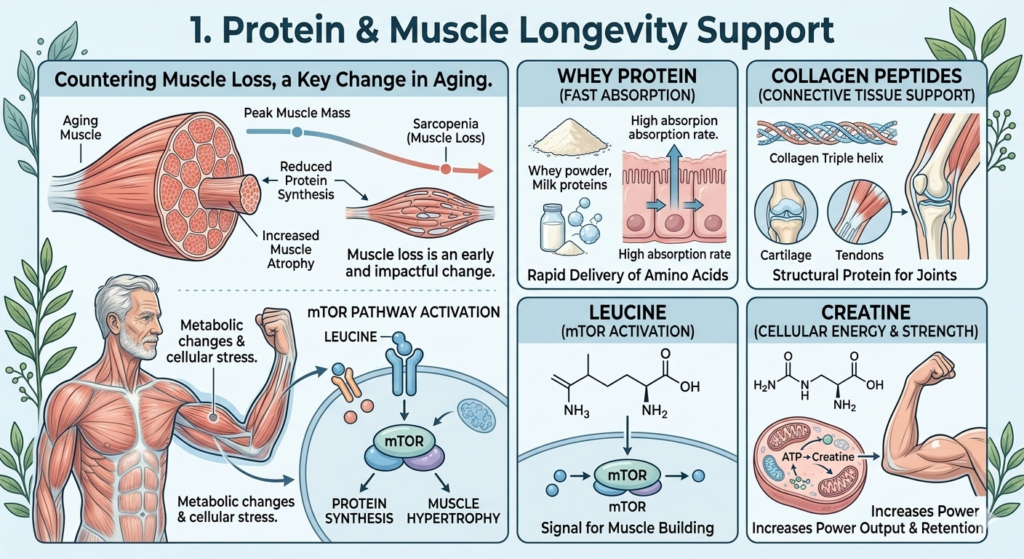
Muscle loss is one of the earliest and most impactful aging changes.
Key supplements include:
- Whey Protein (fast absorption)
- Collagen Peptides (connective tissue support)
- Leucine (mTOR activation for muscle synthesis)
- Creatine (cellular energy & strength retention)
The complete Protein Muscle Support section explains the wider strategy behind senior muscle nutrition, best protein powder choices, whey versus collagen, essential amino acids, creatine, sarcopenia support and healthy aging strength maintenance, while the Protein Decision Matrix Tool helps with product selection.
2. Bone Health & Structural Aging Support
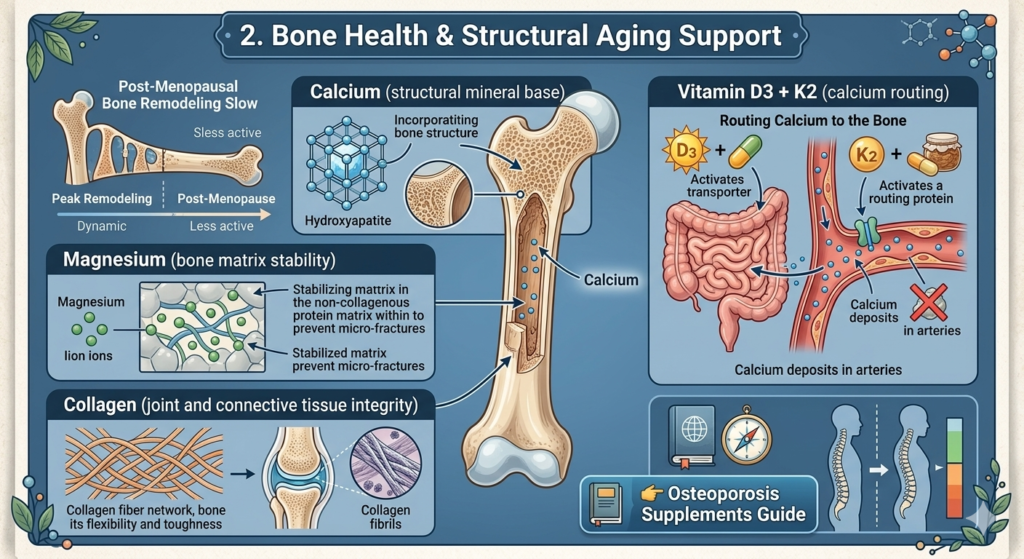
Bone remodeling slows significantly with age, especially post-menopause.
Key compounds:
- Calcium (structural mineral base)
- Vitamin D3 + K2 (calcium routing)
- Magnesium (bone matrix stability)
- Collagen (joint and connective tissue integrity)
👉 Osteoporosis Supplements Guide
3. Cognitive & Brain Longevity Support
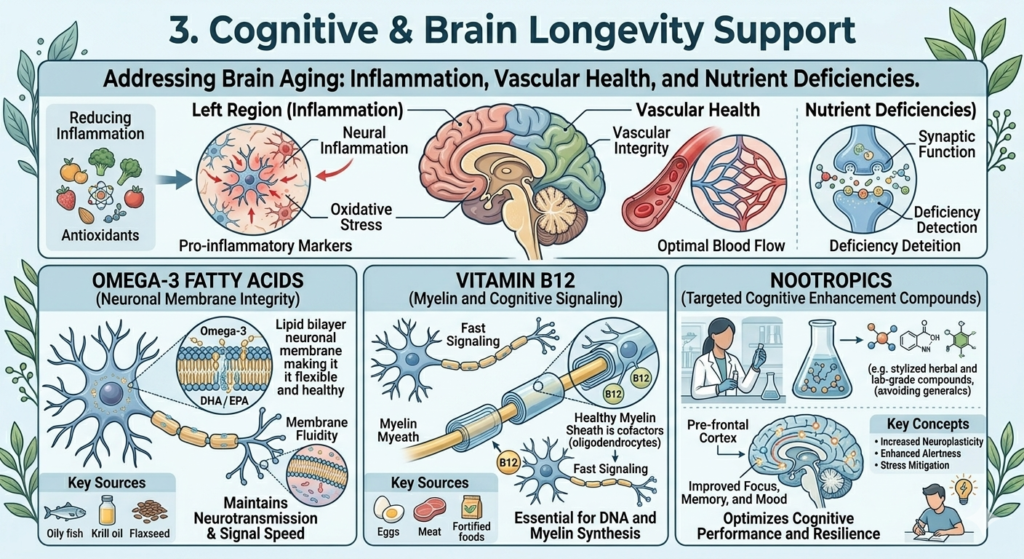
Brain aging is closely tied to inflammation, vascular health, and nutrient deficiencies.
Key compounds:
- Omega-3 fatty acids (neuronal membrane integrity)
- Vitamin B12 (myelin and cognitive signaling)
- Nootropics (targeted cognitive enhancement compounds)
4. Metabolic Aging & Energy Regulation
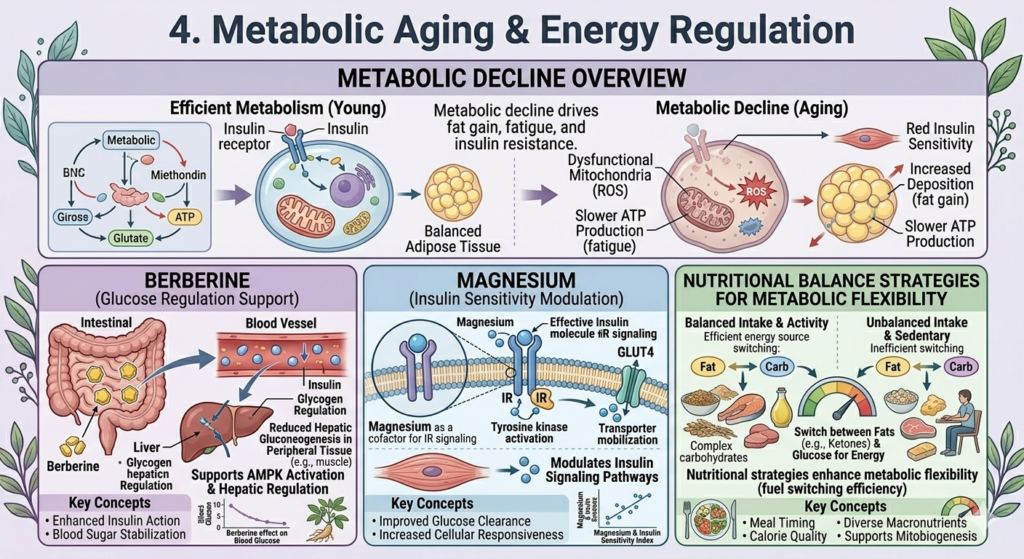
Metabolic decline drives fat gain, fatigue, and insulin resistance.
Key interventions:
- Berberine (glucose regulation support)
- Magnesium (insulin sensitivity modulation)
- Nutritional balance strategies for metabolic flexibility
Longevity supplements are most effective when they support the systems that change with age and the Metabolic Support page explains completely, how blood sugar balance, insulin sensitivity, energy regulation, magnesium, berberine and metabolic flexibility fit into healthy aging.
5. Immune & Inflammation Control (Inflammaging)
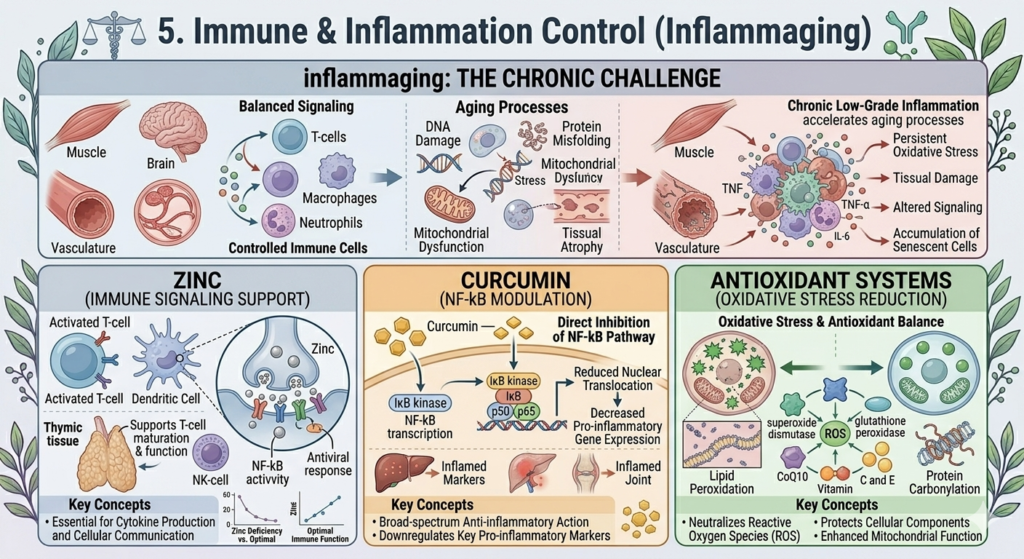
Chronic low-grade inflammation accelerates aging processes.
Key supplements:
- Zinc (immune signaling)
- Curcumin (NF-kB modulation)
- Antioxidant systems (oxidative stress reduction)
Deep reading:
👉 Inflammaging Supplements
Comparison Section: Healthy Aging vs Longevity Supplements
| Category | Healthy Aging Focus | Longevity Focus |
|---|---|---|
| Goal | Maintain function | Extend lifespan biology |
| Audience | Seniors, caregivers | Biohackers, researchers |
| Supplement Style | Evidence-based nutrients | Experimental compounds |
| Risk Level | Low–moderate | Moderate–high |
| SEO Intent | High conversion | High traffic curiosity |
Insight:
Healthy Aging performs better for structured affiliate monetization, while Longevity attracts broader informational traffic.
Cost Overview of Supplement Strategies
| Tier | Monthly Cost | Typical Stack |
|---|---|---|
| Basic | $20–50 | Vitamin D, B12, Magnesium |
| Mid | $50–120 | Protein, Omega-3, Calcium stack |
| Advanced | $120–300 | Full muscle + brain + metabolic stack |
Risks & Safety Considerations
Supplementation must be approached with physiological awareness:
- Excess calcium may increase vascular risk without K2 balance
- Overuse of stimulatory nootropics may disrupt sleep cycles
- High-dose antioxidants may interfere with adaptive stress signaling
- Drug–supplement interactions must be reviewed in elderly users
Use structured evaluation tools:
👉 Supplement Interaction Checker
Trends & Emerging Longevity Science (2026)
The supplement landscape is shifting toward:
- Biological age tracking integration
- Senolytic compound research expansion
- Personalized micronutrient profiling
- Gut microbiome-based supplementation
- AI-driven nutrient optimization systems
Future-facing supplements will not be generic—they will be biomarker-guided interventions.
Upcoming Directions in Supplement Development
- Targeted amino acid formulations for sarcopenia
- Cognitive metabolism enhancers for neuroprotection
- Bone remodeling signaling compounds
- Inflammation-specific adaptogens
- Metabolic flexibility regulators
Charts & Visual Framework
Aging System Interaction Model
Muscle Support
Protein • Leucine • Creatine
Bone Support
Calcium • D3/K2 • Magnesium
Brain Support
Omega-3 • Vitamin B12
Immune Support
Zinc • Curcumin
Supplement System Map
| System | Core Nutrients |
|---|---|
| Muscle | Protein, Leucine, Creatine |
| Bone | Calcium, D3/K2, Magnesium |
| Brain | Omega-3, B12 |
| Metabolic | Berberine, Magnesium |
| Immune | Zinc, Curcumin |
🧬 Analyze Your Aging Profile
Aging is not one process. It is a layered biological shift involving muscle loss, bone remodeling, insulin sensitivity, inflammation, mitochondrial function, cognitive reserve, nutrient absorption, sleep quality, medication burden, and recovery capacity. Two people can be the same age on paper but very different biologically: one may have strong grip strength, stable glucose, good balance, and resilient appetite, while another may already show early frailty signals, low vitamin D status, central weight gain, weakness, or cognitive slowing.
Aging profile analysis helps readers move from guesswork to pattern recognition. Instead of asking, “Which supplement should I take?” the better clinical question is: “Which aging system is under the most pressure?” For some adults, the dominant issue is metabolic dysfunction: rising fasting glucose, abdominal fat, low energy after meals, or insulin resistance. For others, the first visible sign is musculoskeletal: weaker legs, slower walking speed, reduced grip, low protein intake, or loss of bone density. In another group, the earliest concern may be cognitive: sleep disruption, hearing loss, depression, vascular risk, social isolation, or memory complaints.
Frailty research shows that inflammatory markers such as IL-6, CRP, and TNF-α are frequently associated with frailty biology, while sarcopenia and physical frailty are increasingly viewed through the lens of geroscience rather than simple “normal aging”. (PMC) This is why a structured aging profile can be useful for Geronutrition readers: it organizes risk into actionable categories—muscle, bone, metabolism, cognition, inflammation, appetite and recovery.
Start with the Geronutrition Bio-Marker Analyzer to identify whether your current aging pattern is leaning more toward low muscle reserve, nutrient gaps, metabolic dysfunction, inflammatory load, bone weakness, cognitive risk, or frailty warning signs.
A strong aging profile should examine:
| Aging Domain | What to Look For | Why It Matters |
|---|---|---|
| Muscle reserve | Grip strength, chair rise, walking speed, protein intake | Muscle supports mobility, glucose control, and independence |
| Bone resilience | Vitamin D status, calcium intake, fracture risk, resistance training | Bone loss and muscle loss often overlap after 50 |
| Metabolic health | Waist size, glucose patterns, insulin resistance, triglycerides | Metabolic dysfunction accelerates inflammation and vascular risk |
| Inflammatory tone | Chronic pain, fatigue, CRP when available, visceral fat | Low-grade inflammation is linked with frailty and metabolic decline |
| Cognitive reserve | Sleep, hearing, mood, social contact, vascular risk | Many cognitive risk factors are modifiable |
| Nutrient status | B12, vitamin D, magnesium, iron, protein adequacy | Deficiencies can mimic or worsen aging symptoms |
| Recovery capacity | Illness recovery, appetite, fatigue, training tolerance | Low recovery reserve often precedes frailty |
The clinical insight is simple but important: healthy aging tools should not only recommend supplements. They should help visitors identify why a supplement might be relevant. Magnesium is not just a “metabolism supplement”; it may matter when intake is low or glucose regulation is poor. Protein powder is not just a fitness product; it may matter when breakfast protein is weak or muscle reserve is declining. Vitamin D is not just a bone nutrient; it may be part of a broader bone-muscle-fall-risk conversation. Cognitive support is not only about nootropics; it also depends on vascular health, sleep, hearing, activity, depression, and metabolic control.
🦴 Build Your Muscle & Bone Strategy
Muscle and bone should not be treated as separate aging problems. They are mechanically and metabolically connected. Muscle contraction loads bone. Bone provides the structural frame for movement. Both respond to resistance training, protein adequacy, vitamin D status, hormones, inflammation, and overall nutritional quality. When muscle and bone decline together, the result can be osteosarcopenia: a high-risk pattern where weakness, low bone density, falls, and fractures begin to overlap.
From a clinical perspective, muscle is the faster-moving warning signal. Bone loss may remain silent until a scan or fracture, but muscle decline appears in daily life: struggling to rise from a chair, slower stairs, reduced grip, fear of falling, or fatigue during simple tasks. Exercise and nutrition reviews consistently emphasize the role of resistance training and nutrition in preventing or managing osteoporosis and sarcopenia, especially when aging adults are at risk of both conditions. (PMC)
A strong muscle and bone strategy should include two engines:
For muscle preservation, start with Best Protein Support Supplements to understand how complete protein, whey protein, essential amino acids, leucine, creatine, resistance training, and sarcopenia support fit together after 50.
For skeletal resilience, continue to Best Bone Support Supplements to compare calcium, vitamin D3, K2, magnesium, collagen for joint support, osteoporosis supplements, and bone-density support strategies.
The most effective muscle-bone plans are not built around one nutrient. They are built around a coordinated stack:
| Strategy Layer | Muscle Role | Bone Role |
|---|---|---|
| Complete protein | Supplies amino acids for muscle repair | Supports total body protein matrix and recovery |
| Resistance training | Stimulates strength and muscle protein synthesis | Loads bone and supports bone remodeling signals |
| Vitamin D | Supports muscle-bone function when low | Helps calcium metabolism and skeletal health |
| Magnesium | Supports muscle and metabolic function | Participates in bone mineral metabolism |
| Calcium | Not a muscle supplement | Supports skeletal mineral needs |
| Creatine | Supports strength training output | Indirect bone benefit through better training capacity |
| Omega-3 | Supports inflammatory balance | May support broader aging physiology |
| Collagen | Connective tissue add-on | May support tendons/joints, not a complete muscle protein |
The deeper insight is that “bone supplements” without strength training are often incomplete. Bone needs load. Muscle provides that load. Likewise, “muscle supplements” without attention to bone density and fall risk can leave older adults stronger but still vulnerable. The best healthy aging strategy connects protein, resistance exercise, balance work, vitamin D assessment, calcium adequacy, magnesium intake, and fall-risk reduction.
A practical muscle-bone checklist:
| Question | Why It Matters | Next Step |
|---|---|---|
| Is daily protein low? | Muscle cannot repair without amino acids | Build meals around complete protein |
| Is resistance training absent? | Muscle and bone need mechanical stimulus | Add bands, chair stands, machines, or supervised strength work |
| Is vitamin D low or unknown? | Low status can overlap with weakness and bone risk | Test and correct under guidance |
| Is calcium intake low? | Bone mineral support may be inadequate | Use food-first calcium or supplement if appropriate |
| Are falls or balance problems present? | Fracture risk rises when weakness and instability overlap | Consider physical therapy or fall-risk assessment |
| Is collagen the main protein? | Collagen is not enough for muscle preservation | Add whey, soy, eggs, fish, or complete plant protein |
The clinical message: muscle strategy protects movement; bone strategy protects structure. Healthy aging requires both.
🧠 Check Cognitive Risk Factors
Cognitive aging is not only about memory supplements. It is influenced by vascular health, sleep, hearing, vision, education, mood, social contact, glucose regulation, blood pressure, cholesterol, physical activity, smoking, alcohol use, head injury, air pollution, and metabolic disease. The 2024 Lancet Commission reported that around 45% of dementia cases could potentially be prevented or delayed by addressing 14 modifiable risk factors, adding high LDL cholesterol and vision loss to previously identified risks such as hearing loss, hypertension, diabetes, obesity, depression, smoking, physical inactivity, social isolation, and others. (The Lancet)
That does not mean dementia is always preventable. Genetics, age, neurodegenerative disease biology, and social determinants still matter. But it does mean a cognitive risk-factor check can be more useful than simply buying a “memory supplement.” A strong brain-health strategy asks whether the brain is receiving enough oxygen, blood flow, sleep, sensory input, metabolic stability, anti-inflammatory nutrition, and daily stimulation.
Use the Best Brain Supplements for Seniors section to connect brain supplements with the broader clinical picture: omega-3s, B12, vitamin D, memory-support nutrients, nootropics for older adults, focus support, cognitive longevity, sleep, vascular risk, and modifiable dementia risk factors.
A cognitive risk check should include:
| Cognitive Risk Area | What to Review | Why It Matters |
|---|---|---|
| Hearing | Untreated hearing loss, social withdrawal | Hearing loss is a major modifiable dementia risk factor |
| Vision | Cataracts, poor correction, reduced visual input | Vision loss was added as a modifiable risk factor in 2024 |
| Vascular health | Blood pressure, LDL cholesterol, diabetes, smoking | Brain health depends heavily on vascular function |
| Metabolic health | Insulin resistance, obesity, glucose swings | Metabolic dysfunction can worsen vascular and inflammatory risk |
| Sleep | Sleep apnea, insomnia, fragmented sleep | Sleep affects memory consolidation and brain repair |
| Mood | Depression, loneliness, low motivation | Depression and social isolation overlap with cognitive decline risk |
| Nutrition | B12, omega-3 intake, protein, vitamin D, polyphenols | Nutrient gaps can mimic or worsen cognitive symptoms |
| Activity | Physical inactivity, low strength, low walking | Exercise supports vascular, metabolic, and brain health |
The clinical nuance is that cognitive risk factors often cluster. A person with untreated hearing loss may become socially isolated. Social isolation may worsen depression. Depression may reduce appetite and physical activity. Low activity may worsen insulin resistance. Insulin resistance may increase vascular risk. This is why the brain-health strategy should be systemic, not capsule-only.
From a Geronutrition perspective, cognitive support belongs beside metabolic support and muscle support. Muscle activity improves glucose handling and circulation. Protein adequacy protects frailty risk. Omega-3 and B-vitamin status may matter in the right context. Sleep and sensory correction can improve the brain’s daily input. Vascular risk management protects the long-term brain environment.
A practical cognitive support framework:
| If This Is Present | Best Next Step |
|---|---|
| Forgetfulness plus fatigue | Review sleep, B12, thyroid, depression, medications, and glucose |
| Hearing difficulty | Get hearing evaluated; sensory correction may protect social and cognitive engagement |
| Poor diet quality | Improve protein, omega-3 foods, colorful plants, B12-rich foods, and hydration |
| Diabetes or insulin resistance | Prioritize metabolic support and medical management |
| Low activity | Add walking, strength training, and balance work |
| Social isolation | Build routine contact, group activities, family calls, or community engagement |
| High LDL or hypertension | Coordinate medical risk reduction with clinician guidance |
| Heavy supplement use | Check for overlapping ingredients and medication interactions |
The strongest cognitive support approach is not “take a brain pill.” It is to reduce the biological and lifestyle pressures that make the aging brain more vulnerable: poor sleep, vascular strain, low activity, sensory deprivation, metabolic dysfunction, nutrient gaps, and chronic inflammation.
FAQs
What are the most effective longevity supplements for healthy aging after 60?
The most evidence-backed longevity stack focuses on maintaining muscle, mitochondrial function, and inflammation balance rather than “anti-aging” claims.
Key supplements typically include:
- Vitamin D3 + K2 → bone density and cardiovascular support
- Omega-3 (EPA/DHA) → inflammation modulation and brain health
- Magnesium (glycinate or citrate) → muscle, sleep, and metabolic regulation
- Creatine monohydrate → strength, cognition, and sarcopenia resistance
- Protein (whey or essential amino acids) → muscle preservation
Supplement Effectiveness Overview
| Supplement | Primary Benefit | Evidence Strength | Best Target Outcome |
|---|---|---|---|
| Vitamin D3 + K2 | Bone & heart health | High | Fracture risk reduction |
| Omega-3 | Inflammation control | High | Cognitive + heart support |
| Creatine | Muscle + brain energy | High | Strength preservation |
| Magnesium | Nervous system balance | Moderate-High | Sleep + recovery |
| Protein/EAAs | Muscle synthesis | Very High | Sarcopenia prevention |
Do longevity supplements actually extend lifespan or just improve healthspan?
Most modern research shows supplements are healthspan enhancers rather than direct lifespan extenders.
They influence:
- Cellular energy production (mitochondria)
- Inflammation pathways (CRP, IL-6)
- Muscle mass retention (critical predictor of aging outcomes)
- Metabolic flexibility (glucose regulation)
Lifespan vs Healthspan Impact
| Factor | Lifespan Effect | Healthspan Effect | Notes |
|---|---|---|---|
| Omega-3 | Low–Moderate | High | Cardiometabolic protection |
| Vitamin D | Low | Moderate–High | Deficiency correction is key |
| Creatine | Low | High | Cognitive + muscle resilience |
| NMN / NAD+ boosters | Unclear | Moderate | Emerging evidence |
| Protein intake | Indirect | Very High | Strongest aging determinant |
In practice, supplementation works best when correcting deficiencies and supporting exercise rather than acting as a standalone “lifespan extender.”
Which supplements are best for cognitive longevity and brain aging?
Cognitive aging is strongly tied to vascular health, mitochondrial efficiency, and inflammation control.
Most studied options include:
- Omega-3 DHA → neuronal membrane integrity
- B-complex vitamins (B6, B9, B12) → homocysteine regulation
- Magnesium L-threonate → synaptic plasticity support
- Lion’s Mane (Hericium erinaceus) → neurotrophic signaling (emerging evidence)
- Creatine → brain energy buffering under stress
Cognitive Support Stack Comparison
| Supplement | Brain Mechanism | Evidence Level | Best Use Case |
|---|---|---|---|
| DHA Omega-3 | Membrane fluidity | High | Long-term cognitive maintenance |
| B12/B-complex | Methylation & nerves | High | Deficiency prevention |
| Magnesium L-threonate | Synaptic density | Moderate | Memory & learning |
| Creatine | ATP recycling | High | Mental fatigue resistance |
| Lion’s Mane | Nerve growth factor | Emerging | Early cognitive decline support |
What is the best supplement stack for muscle loss (sarcopenia) prevention?
Sarcopenia is one of the strongest predictors of frailty, making muscle-targeted supplementation central to healthy aging.
Core stack includes:
- Leucine-rich protein (whey isolate)
- Creatine monohydrate (3–5g daily)
- Vitamin D3 (if deficient)
- Omega-3 fatty acids
- HMB (beta-hydroxy beta-methylbutyrate) in high-risk individuals
Sarcopenia Support Stack
| Supplement | Role in Muscle Health | Optimal Timing |
|---|---|---|
| Whey protein | Muscle protein synthesis | Post-meal or post-exercise |
| Creatine | Strength + ATP support | Anytime daily |
| Leucine | mTOR activation | With protein meals |
| Vitamin D | Muscle function regulation | Morning with fat |
| HMB | Muscle breakdown reduction | Split doses |
The most powerful effect comes from combining supplementation with resistance training.
Are natural anti-aging supplements scientifically proven or just marketing?
The reality is mixed: some compounds are well-studied, while others are heavily overstated.
Scientifically supported categories:
- Protein and amino acids
- Omega-3 fatty acids
- Vitamin D (deficiency correction)
- Creatine
- Magnesium
Weak or early-stage evidence:
- NAD+ boosters (NR, NMN)
- Resveratrol
- “Longevity blends” with proprietary formulas
Evidence Quality Breakdown
| Category | Evidence Strength | Reliability |
|---|---|---|
| Basic nutrients | Very High | Clinically established |
| Performance supplements | High | Strong RCT support |
| Polyphenols | Moderate | Observational + early trials |
| Longevity molecules | Low–Emerging | Experimental |
| Proprietary blends | Very Low | Marketing-driven |
The strongest signal in aging science consistently comes from correcting deficiencies and improving metabolic health—not exotic compounds.
People Also Ask (PAA)
What are the safest longevity supplements for seniors?
The safest supplements are those with long clinical histories and predictable dosing profiles. These include vitamin D3, omega-3 fatty acids, magnesium, protein supplements, and basic B-complex vitamins.
Safety improves significantly when:
- Dosage matches clinical guidelines
- Blood levels (like vitamin D) are monitored
- Supplements are used to correct deficiencies rather than stack excessively
Safety Profile Overview
| Supplement | Safety Level | Risk Notes |
|---|---|---|
| Vitamin D3 | Very High | Excess only at extreme dosing |
| Omega-3 | Very High | Mild blood-thinning effect |
| Magnesium | High | GI upset at high doses |
| Protein | Very High | Kidney caution in severe disease |
| Creatine | Very High | Well-studied long-term |
Which supplements actually slow biological aging markers?
Some supplements influence biomarkers associated with aging such as inflammation, insulin sensitivity, and oxidative stress.
Most consistent biomarker improvements:
- Omega-3 → lower triglycerides and CRP
- Vitamin D → improved immune and metabolic markers
- Creatine → improved cellular energy availability
- Protein intake → preservation of lean mass
- Magnesium → improved glucose regulation
Biomarker Impact Table
| Supplement | Biomarker Improved | Aging System Affected |
|---|---|---|
| Omega-3 | CRP, triglycerides | Cardiovascular aging |
| Vitamin D | Immune markers | Immune aging |
| Creatine | ATP availability | Muscular aging |
| Protein | Lean mass index | Functional aging |
| Magnesium | Glucose control | Metabolic aging |
Do anti-aging supplements really work after age 50?
Yes—but only when interpreted correctly. They do not reverse aging; they improve physiological resilience and reduce decline rates.
Effectiveness depends on:
- Baseline nutrient deficiencies
- Physical activity levels
- Sleep quality
- Diet composition
Realistic Outcome Model
| Outcome Type | Likelihood | Explanation |
|---|---|---|
| Symptom improvement | High | Energy, sleep, recovery |
| Functional improvement | High | Strength, mobility |
| Visible aging reversal | Low | Not biologically supported |
| Disease prevention | Moderate | Indirect benefit |
What vitamins are essential for healthy aging and longevity?
The most essential vitamins are those that directly support metabolic and neurological stability.
Core vitamins include:
- Vitamin D3 → bone, immunity, muscle
- Vitamin B12 → nerve function and cognition
- Vitamin B6 & Folate (B9) → homocysteine balance
- Vitamin K2 → vascular calcium regulation
- Vitamin C → antioxidant defense
Essential Vitamin Map
| Vitamin | Primary Role | Aging System Supported |
|---|---|---|
| D3 | Calcium metabolism | Bone + immune aging |
| B12 | Nerve integrity | Cognitive aging |
| K2 | Arterial health | Cardiovascular aging |
| B6/B9 | Methylation | Metabolic aging |
| C | Oxidative stress | Cellular aging |
Can supplements improve lifespan and healthspan at the same time?
Supplements are more consistently linked to healthspan extension, while direct lifespan extension remains uncertain in humans.
What they reliably improve:
- Muscle preservation
- Cognitive resilience
- Cardiovascular risk profiles
- Metabolic efficiency
The strongest evidence suggests that combining:
- resistance training
- adequate protein intake
- omega-3 supplementation
- vitamin D sufficiency
creates the most measurable impact on long-term functional aging outcomes.