
Vitamin Deficiencies: Symptoms, Testing and Healthy Aging
Amazon Affiliate Disclosure
Geronutrition.com may earn a commission from qualifying purchases made through Amazon affiliate links. This does not increase the price paid by the individual. Products should never replace medical testing, professional diagnosis or treatment when a nutrient deficiency is suspected.
Updated July, 2026.
Vitamin deficiencies rarely announce themselves with one unmistakable symptom. They more often appear as a slow loss of reserve: energy becomes less reliable, muscles recover more slowly, balance feels less secure, appetite changes, wounds take longer to heal, or concentration becomes harder to sustain.
Those changes are easily blamed on age. That is precisely why nutritional deficiencies can remain undetected.
In older adults, vitamin status is shaped by more than the nutritional quality of a meal. Digestion, intestinal absorption, kidney function, inflammation, medications, sunlight exposure, appetite, dental health, mobility and chronic disease all influence whether nutrients reach the tissues that need them.
A person may therefore eat an apparently reasonable diet and still develop a clinically significant deficiency.
This guide explains how vitamin deficiencies develop, which symptoms deserve attention, how a vitamin deficiency test works, which biomarkers provide useful information, and why correcting a confirmed deficiency requires more precision than simply purchasing a multivitamin.
It forms part of Geronutrition’s broader approach to deficiency biomarker optimization, where nutrition is assessed through symptoms, dietary patterns, health history and measurable biological markers rather than guesswork.
Medical note: This page provides educational information and is not a diagnosis or treatment plan. Sudden weakness, chest pain, fainting, severe shortness of breath, confusion, black stools, persistent vomiting or rapidly worsening neurological symptoms require prompt medical assessment.
Quick Picks: Navigate the Vitamin Deficiencies Guide
- What Are Vitamin Deficiencies?
- Why Vitamin Deficiencies Matter More With Age
- What Is Vitamin Deficiency Testing For?
- Who Needs a Vitamin Deficiency Test?
- Vitamin Deficiency Symptoms
- What Causes Vitamin Deficiency?
- How Aging Changes Nutrient Absorption
- Most Common Vitamin Deficiencies
- Vitamin D Deficiency
- Vitamin B12 Deficiency
- Folate Deficiency
- Vitamin C Deficiency
- Vitamin A, E and K Deficiencies
- Vitamin Deficiency vs Mineral Deficiency
- Magnesium Deficiency
- Iron Deficiency
- Protein Deficiency
- Dehydration in Older Adults
- Vitamin Deficiency Tests and Biomarkers
- How to Interpret Test Results
- Benefits of Correcting Deficiencies
- Food, Fortified Foods or Supplements?
- Vitamin Deficiency Treatment Framework
- Supplement Safety and Medication Interactions
- Latest Research on Vitamin Deficiencies
- When Symptoms Need Medical Attention
- Frequently Asked Questions
- People Also Ask
- Editorial Insights
What Are Vitamin Deficiencies?
A vitamin deficiency occurs when the body does not have enough of a specific vitamin to maintain its normal biological functions.
The shortage may result from inadequate intake, poor absorption, increased need, excessive loss, altered metabolism or interference from medication. In some cases, several factors operate at the same time.
A deficiency is not always the same as a low dietary intake.
A person can consume less than the recommended amount without developing an immediate clinical deficiency because the body may maintain stored reserves. Conversely, a person can consume an adequate amount but fail to absorb, activate or retain the nutrient.
This produces four distinct nutritional states:
| Nutritional state | What it means | Likely clinical picture |
|---|---|---|
| Adequate | Intake, absorption and tissue availability are sufficient | Normal function and stable biomarkers |
| Inadequate intake | Intake is below the recommended level | Few symptoms initially; gradual depletion possible |
| Subclinical deficiency | Stores or functional markers are declining | Vague fatigue, reduced resilience or no obvious symptoms |
| Clinical deficiency | Shortage is affecting organs, blood, nerves, bones or tissues | Recognizable symptoms and abnormal laboratory findings |
The distinction matters because nutrient status exists on a continuum. A laboratory result may be technically inside a reference range while a person’s dietary pattern, symptoms and related biomarkers suggest that the nutrient deserves closer evaluation.
At the same time, treating every borderline result as a disease can lead to unnecessary supplements and excessive intake.
The objective is not to push every marker as high as possible. It is to identify a genuine physiological limitation and restore an appropriate range.
This measurement-led approach supports healthier aging and a more credible understanding of Longevity, where extending functional years matters more than collecting supplements.
Why Vitamin Deficiencies Matter More With Age
The aging body has less margin for nutritional error.
A younger adult may tolerate several weeks of poor intake without an obvious decline in function. An older person with reduced muscle mass, chronic inflammation, limited mobility and multiple medications may experience a much faster loss of strength or independence.
Vitamin deficiencies can influence:
- red blood cell production
- nerve signaling
- muscle contraction
- bone mineralization
- immune responses
- collagen formation
- wound healing
- vision
- cognitive performance
- appetite
- energy metabolism
The effects can also amplify one another.
Low vitamin D may coexist with low calcium intake and reduced weight-bearing activity. Vitamin B12 deficiency may overlap with folate deficiency, anemia or medication-related neuropathy. Iron deficiency may occur alongside chronic inflammation, making a single blood marker difficult to interpret.
Recent research continues to identify vitamin D, vitamin B12, folate, iron, zinc and magnesium as common areas of inadequate intake or biochemical status in older populations. Institutionalized adults often face greater risk because of reduced sunlight exposure, restricted food choice, dependence on assistance and higher levels of chronic disease.
The Nutritional Reserve Model
A useful way to understand deficiency risk is to imagine a reservoir.
Food fills the reservoir. Digestion and absorption determine how much enters. Illness, medication, inflammation and bodily losses create leaks. Tissue demand determines how rapidly the stored nutrient is used.
A deficiency develops when the combined leaks and demands exceed the rate of replacement.
Editorial Risk-Accumulation Chart
The following chart is an editorial framework rather than a diagnostic scoring system.
Single dietary gap                    ██
Dietary gap + reduced appetite        ████
Dietary gap + medication interference ██████
Malabsorption + chronic illness       ████████
Multiple factors + recent weight loss ██████████
The greater the number of overlapping factors, the less useful it becomes to rely on symptoms or supplement experimentation alone.
What Is Vitamin Deficiency Testing For?
A vitamin deficiency test is used to determine whether inadequate nutrient status could be contributing to symptoms, abnormal blood counts, bone problems, neurological changes, poor healing or loss of physical function.
Testing can help answer five different questions:
1. Is a Nutrient Deficiency Present?
This is the most obvious purpose, but not always the simplest. Some nutrients have reliable circulating markers; others are difficult to assess through a single blood test.
2. How Severe Is the Deficiency?
Severity influences urgency, treatment route, dose and monitoring. Mild dietary inadequacy is different from severe malabsorption accompanied by neurological symptoms.
3. What Caused It?
A test result identifies the shortage, not necessarily the reason for it. The underlying cause could involve diet, blood loss, gastrointestinal disease, kidney disease, surgery or medication.
4. Is Treatment Working?
Repeat testing may show whether the nutrient level or functional marker is improving. It can also reveal whether an oral supplement is being absorbed adequately.
5. Is Supplementation Still Necessary?
Some deficiencies require a temporary correction phase followed by food-based maintenance. Others, such as vitamin B12 deficiency caused by irreversible malabsorption, may require long-term treatment.
Testing should therefore be understood as part of a clinical question, not as a standalone shopping exercise.
Who Needs a Vitamin Deficiency Test?
Routine testing of every vitamin in every adult is rarely necessary. Targeted testing is usually more informative.
A vitamin deficiency blood test may be worth discussing when a person has persistent symptoms, an abnormal laboratory result or a recognized risk factor.
Older Adults With Unexplained Functional Decline
Testing may be appropriate when strength, walking speed, appetite, balance, concentration or energy has declined without a clear explanation.
People With Restricted Diets
Risk can increase with:
- vegan diets without reliable B12 fortification
- very low-calorie diets
- avoidance of dairy and fortified foods
- limited dietary variety
- prolonged liquid or soft-food diets
- avoidance of major food groups because of allergies or intolerance
People With Gastrointestinal Conditions
Celiac disease, inflammatory bowel disease, chronic diarrhea, pancreatic disorders and other malabsorptive conditions can interfere with several nutrients simultaneously.
Individuals Who Have Had Gastrointestinal Surgery
Bariatric surgery, gastric resection and intestinal surgery can alter acidity, digestive enzymes, absorption surfaces and nutrient transport.
People Taking Certain Medications Long Term
Medication reviews are especially important when a person uses:
- metformin
- proton pump inhibitors
- H2 blockers
- loop or thiazide diuretics
- anticonvulsants
- corticosteroids
- bile acid sequestrants
- anticoagulants
The relevant nutrient and mechanism depend on the medication, dose, duration and individual health history.
People With Anemia or Abnormal Blood Cells
A complete blood count may raise suspicion for iron, vitamin B12 or folate problems, although blood-cell size alone cannot reliably identify the cause.
Adults With Osteoporosis, Repeated Falls or Fragility Fractures
Vitamin D, calcium intake, protein intake and broader nutritional status may form part of the assessment. However, bone health also depends on hormones, physical activity, medication, kidney function and fall risk.
People With Persistent Neurological Symptoms
Numbness, tingling, burning sensations, altered balance or cognitive changes deserve proper evaluation. Vitamin B12 deficiency is one possibility, but diabetes, thyroid disorders, spinal disease, medication effects and neurological conditions can produce similar symptoms.
Individuals Experiencing Unintentional Weight Loss
Weight loss may indicate poor intake, swallowing problems, depression, chronic illness, medication side effects, social isolation or a malignancy. Nutrient testing can be useful, but it should not replace investigation of the underlying cause.
Vitamin Deficiency Symptoms
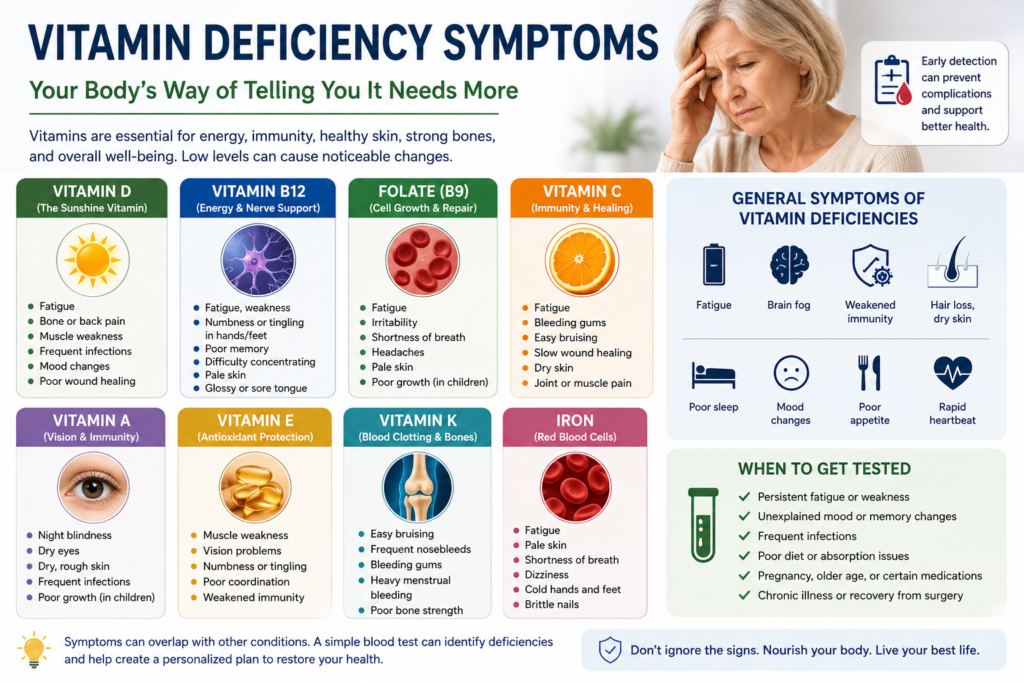
Vitamin deficiency symptoms are usually nonspecific during the early stages.
Fatigue, weakness, poor concentration and muscle discomfort occur in many conditions. The symptoms become more informative when they appear in recognizable patterns or are combined with a relevant risk factor.
Common Early Symptoms
- persistent tiredness
- reduced exercise tolerance
- slower recovery after activity
- muscle weakness
- low appetite
- difficulty concentrating
- irritability
- disturbed sleep
- frequent mouth soreness
- slower wound healing
- increased sensitivity to cold
- brittle nails or changes in hair quality
Symptoms That May Indicate a More Advanced Deficiency
- numbness or tingling
- changes in walking or balance
- bone tenderness
- repeated falls
- pronounced shortness of breath
- rapid heartbeat
- pale skin
- inflamed or unusually smooth tongue
- bleeding gums
- easy bruising
- vision changes
- confusion
- severe muscle cramps
- unexplained fractures
Symptom-Overlap Matrix
| Symptom | Possible nutritional contributors | Important non-nutritional alternatives |
|---|---|---|
| Fatigue | B12, folate, iron, vitamin D, protein | Thyroid disease, sleep apnea, infection, depression, heart disease |
| Muscle weakness | Vitamin D, magnesium, protein | Inactivity, neurological disease, medication effects |
| Numbness or tingling | B12, vitamin B6 imbalance, vitamin E | Diabetes, nerve compression, spinal disease |
| Pale skin | Iron, B12, folate | Blood loss, chronic disease, bone marrow disorders |
| Poor wound healing | Vitamin C, zinc, protein | Diabetes, vascular disease, infection |
| Bone pain | Vitamin D, calcium or phosphate imbalance | Arthritis, fracture, malignancy |
| Bruising | Vitamin C or K | Anticoagulants, liver disease, platelet disorders |
| Cognitive change | B12, folate, dehydration, thiamine | Infection, medication, stroke, dementia, delirium |
Symptoms should direct investigation, not determine the diagnosis.
A person who assumes that fatigue must be caused by vitamin D may overlook anemia. Someone who treats numbness with a general multivitamin may delay recognition of diabetes or nerve compression.
What Causes Vitamin Deficiency?
The question “what causes vitamin deficiency?” has no single answer. Most cases fit into one or more of six pathways.
1. Inadequate Intake
The diet may not contain enough of the nutrient.
This can result from:
- poor appetite
- low dietary variety
- food insecurity
- difficulty shopping or cooking
- restrictive dieting
- chewing or swallowing difficulties
- dependence on convenience foods
- avoidance of animal products without suitable fortification
- excessive alcohol intake displacing food
2. Reduced Absorption
A nutrient can be present in food but unavailable to the body.
Absorption may decline because of:
- low stomach acid
- loss of intrinsic factor
- intestinal inflammation
- chronic diarrhea
- pancreatic insufficiency
- gastrointestinal surgery
- interference from another nutrient or medication
Vitamin B12 is a classic example. Food-bound B12 must pass through several digestive stages before absorption. A disruption at the stomach, pancreas or terminal ileum can interfere with the process.
3. Increased Physiological Demand
Demand may rise during:
- recovery from surgery
- wound healing
- infection
- rehabilitation
- chronic inflammatory disease
- rebuilding after malnutrition
- periods of rapid tissue repair
Higher demand does not automatically justify high-dose supplementation. It means nutritional adequacy becomes more important.
4. Excessive Loss
Nutrients may be lost through:
- gastrointestinal bleeding
- chronic diarrhea
- vomiting
- kidney losses
- heavy sweating
- drainage from wounds
- medication-induced urinary loss
5. Impaired Activation or Metabolism
Some vitamins must be converted into active forms.
Liver disease, kidney disease, genetic variation and medication can interfere with those conversions. Vitamin D, for example, undergoes activation steps involving the liver and kidneys.
6. Medication-Nutrient Interactions
A medication may reduce absorption, alter metabolism, increase urinary loss or change appetite.
The presence of a possible interaction does not mean the medication should be stopped. It means the nutrient risk should be assessed and, where appropriate, monitored.
How Aging Changes Nutrient Absorption
Aging does not create one universal digestive pattern. Some people maintain efficient nutrient absorption into advanced age, while others develop multiple barriers.
The most relevant age-associated changes include the following.
Reduced Stomach Acidity
Lower acidity can impair the release of food-bound vitamin B12. It can also be associated with long-term use of acid-suppressing medication.
Changes in Appetite and Sensory Perception
Food may become less appealing when taste and smell weaken. Smaller meals can still provide sufficient nutrition, but only when they are nutrient-dense.
Reduced Skin Production of Vitamin D
Older adults are among the groups at increased risk of inadequate vitamin D status. Limited outdoor activity, skin coverage, darker skin pigmentation and institutional living can further reduce vitamin D production from sunlight.
Changes in Kidney Function
Kidney function affects vitamin D metabolism, fluid balance, mineral regulation and the interpretation of certain biomarkers.
Methylmalonic acid, for example, may rise in vitamin B12 deficiency but can also be elevated when kidney function declines.
Polypharmacy
The cumulative effect of several medications may influence appetite, digestion, bowel habits, nutrient losses and laboratory interpretation.
Anorexia of Aging
Reduced appetite is not always dramatic. A person may simply leave a little more food on the plate each day. Over months, that small difference can produce a meaningful deficit in protein, vitamins and total energy.
Reduced Muscle Mass
Lower muscle reserve makes the consequences of poor nutrition more visible. A short period of illness or bed rest may result in a disproportionate decline in mobility.
Most Common Vitamin Deficiencies
The most common vitamin deficiencies differ by location, diet, health status, living environment and testing criteria.
In older adults, the most important areas of attention commonly include vitamin D, vitamin B12 and folate. Vitamin C, vitamin A, vitamin E and vitamin K deficiencies are less common in generally well-nourished community populations but can occur with severe dietary restriction, malabsorption, liver disease or prolonged illness.
Vitamin D Deficiency
Vitamin D supports calcium absorption, bone mineralization and neuromuscular function. Serum 25-hydroxyvitamin D, written as 25(OH)D, is the primary laboratory marker used to assess vitamin D status.
A deeper guide to vitamin D deficiency in elderly adults should be considered when there is limited sunlight exposure, osteoporosis, bone pain, malabsorption or a history of low vitamin D results.
Possible Signs
- muscle weakness
- bone discomfort
- reduced physical performance
- repeated falls
- low bone mineral density
- osteomalacia in severe deficiency
These findings are not specific to vitamin D.
Main Risk Factors
- limited sunlight exposure
- darker skin pigmentation
- covering most of the skin outdoors
- institutional living
- fat-malabsorption disorders
- obesity
- gastric bypass surgery
- chronic kidney or liver disease
- low intake of fortified foods or fatty fish
Vitamin D Test Interpretation
The NIH Office of Dietary Supplements notes that 25(OH)D concentrations of 20 ng/mL or more are sufficient for most people under the Food and Nutrition Board framework. Risk of deficiency increases below 12 ng/mL, while 12–20 ng/mL may indicate potential inadequacy. Laboratory methods and professional guidelines can differ, so results should be interpreted in clinical context.
The Critical Distinction: Deficiency Correction vs Universal Supplementation
Correcting confirmed vitamin D deficiency is not the same as giving vitamin D to every healthy older adult in the hope of preventing fractures.
The benefit of supplementation is generally more plausible when a genuine deficiency or high-risk condition exists. Evidence for routine supplementation in vitamin-D-replete, community-dwelling adults has been inconsistent.
Vitamin B12 Deficiency
Vitamin B12 is required for neurological function, DNA synthesis and normal red blood cell formation.
Older adults face increased risk because atrophic gastritis, pernicious anemia, gastrointestinal disease and surgery can interfere with absorption. Depending on the definition and population studied, NIH reports that approximately 3% to 43% of community-dwelling older adults may have vitamin B12 deficiency.
The detailed guide to low B12 symptoms in seniors examines the neurological and hematological patterns in greater depth.
Possible Signs
- fatigue
- weakness
- numbness
- tingling
- burning sensations
- altered balance
- memory or concentration changes
- inflamed or smooth tongue
- megaloblastic anemia
- mood changes
Neurological symptoms can occur without severe anemia. That makes it unsafe to dismiss B12 deficiency solely because a complete blood count appears normal.
Important Risk Factors
- age-related atrophic gastritis
- pernicious anemia
- vegan diets without B12 fortification
- gastric or intestinal surgery
- celiac disease
- long-term metformin use
- prolonged acid-suppressing medication
- disorders affecting the terminal ileum
B12 Testing Requires More Than One Number
Serum B12 is the usual initial test. Values below approximately 200–250 pg/mL are commonly considered subnormal, although laboratory ranges differ.
When serum B12 is borderline, methylmalonic acid may help confirm functional deficiency. Kidney function must be considered because impaired renal clearance can increase MMA independently of B12 status.
Folate Can Complicate the Picture
High folate intake may correct the blood-cell abnormalities associated with B12 deficiency without correcting neurological injury. This is one reason B12 status deserves attention before treating presumed folate deficiency with high-dose folic acid.
Folate Deficiency
Folate, or vitamin B9, is essential for DNA synthesis, cell division and red blood cell production.
Potential Causes
- poor vegetable and legume intake
- excessive alcohol use
- malabsorption
- increased requirements
- certain medications
- prolonged low-calorie diets
Possible Symptoms
- fatigue
- weakness
- difficulty concentrating
- irritability
- headache
- sore tongue
- megaloblastic anemia
Folate deficiency and vitamin B12 deficiency can produce similar blood-cell changes. Testing one without considering the other can result in an incomplete interpretation.
Useful Tests
- serum folate
- red blood cell folate in selected settings
- complete blood count
- vitamin B12
- methylmalonic acid when B12 status is uncertain
- homocysteine in selected cases
Homocysteine can rise with folate or B12 deficiency, but it is not specific enough to identify the responsible nutrient by itself.
Vitamin C Deficiency
Vitamin C supports collagen formation, antioxidant defenses, wound healing and the absorption of nonheme iron.
Severe deficiency causes scurvy, but earlier inadequacy may present less dramatically.
Possible Signs
- bleeding gums
- easy bruising
- poor wound healing
- fatigue
- perifollicular skin changes
- joint or muscle discomfort
- reduced iron absorption
Higher-Risk Situations
- very limited fruit and vegetable intake
- food insecurity
- alcoholism
- severe dietary restriction
- smoking
- malabsorption
- dependence on highly processed soft foods
- social isolation accompanied by poor food access
Vitamin C status is not usually included in a basic nutritional blood panel. Dietary history and clinical findings often determine whether specialized testing is justified.
Vitamin A, E and K Deficiencies
These are fat-soluble vitamins. Deficiency is relatively uncommon in well-nourished adults but becomes more plausible when fat absorption is impaired.
Vitamin A Deficiency
Vitamin A contributes to vision, epithelial integrity and immune function.
Deficiency may cause:
- impaired night vision
- dry eyes
- changes in skin or mucosal tissues
- greater susceptibility to infection
Excess preformed vitamin A can also be harmful, particularly when taken in high supplemental doses.
Vitamin E Deficiency
Vitamin E acts as an antioxidant within cell membranes.
Severe deficiency may affect:
- peripheral nerves
- balance
- muscle function
- red blood cells
It is more commonly associated with disorders of fat absorption than with ordinary dietary insufficiency.
Vitamin K Deficiency
Vitamin K is required for the activation of clotting proteins and contributes to bone-related proteins.
Potential signs include:
- unusual bruising
- prolonged bleeding
- abnormal clotting tests
Warfarin and other anticoagulation decisions require consistent professional guidance. A person should not make abrupt changes in vitamin K intake or supplementation without discussing the medication plan.
Vitamin Deficiency vs Mineral Deficiency
The comparison between vitamin deficiency vs mineral deficiency is biologically useful, but symptoms often overlap.
Vitamins are organic compounds required in small quantities for metabolic functions. Minerals are inorganic elements such as iron, magnesium, zinc and calcium.
| Feature | Vitamin deficiency | Mineral deficiency |
|---|---|---|
| Examples | Vitamin D, B12, folate, C | Iron, magnesium, zinc, calcium |
| Typical roles | Coenzymes, gene regulation, antioxidant activity | Structure, oxygen transport, electrical signaling |
| Storage | Varies widely by vitamin | Varies widely by mineral |
| Test reliability | Strong for some vitamins, limited for others | Strong for some minerals, difficult for others |
| Toxicity risk | Greater with high-dose fat-soluble vitamins | Significant with iron and some other minerals |
| Symptom overlap | Fatigue, weakness, neurological changes | Fatigue, weakness, cramps, poor healing |
In practice, the body does not respect the marketing boundary between a “vitamin panel” and a “mineral panel.”
A person with fatigue may need B12, folate and iron assessment. Someone with muscle cramps may require review of magnesium, calcium, potassium, hydration, kidney function and medication.
Most Common Mineral Deficiencies
Magnesium Deficiency
Magnesium is a mineral rather than a vitamin, but it belongs in any serious discussion of nutrient deficiency symptoms because it influences energy production, nerve conduction, muscle contraction and heart rhythm.
The guide to magnesium deficiency and aging explains why both intake and laboratory interpretation can be difficult.
Possible Signs
- loss of appetite
- nausea
- weakness
- fatigue
- muscle cramps
- numbness or tingling
- abnormal heart rhythm in severe cases
- low potassium or calcium that is difficult to correct
Risk Factors
- chronic diarrhea
- celiac or inflammatory bowel disease
- type 2 diabetes
- alcohol dependence
- loop or thiazide diuretics
- prolonged proton pump inhibitor use
- intestinal surgery
Why Magnesium Testing Is Imperfect
Less than 1% of the body’s magnesium is present in serum. Serum magnesium is widely available, but it does not reliably reflect total-body or tissue magnesium stores.
No single magnesium test is considered satisfactory in every situation. Laboratory findings should therefore be interpreted alongside symptoms, diet, medication, kidney function and other electrolytes.
This is an important example of why “normal” does not always mean that nutrition has been comprehensively assessed. It does not, however, justify assuming deficiency whenever symptoms are present.
Iron Deficiency
Iron is a mineral required for hemoglobin, oxygen transport and muscle metabolism.
In older adults, new iron deficiency deserves investigation because the cause may involve more than dietary intake.
The dedicated guide to iron deficiency in older adults examines blood loss, inflammation and laboratory interpretation in detail.
Possible Signs
- fatigue
- pale skin
- reduced exercise tolerance
- breathlessness
- rapid heartbeat
- dizziness
- poor concentration
- restless legs
- weakness
- brittle or spoon-shaped nails in more advanced cases
Iron Deficiency Is Not Always Iron-Deficiency Anemia
Iron stores may decline before hemoglobin becomes abnormal.
The progression often moves through three stages:
Adequate stores
      ↓
Storage depletion: ferritin declines
      ↓
Iron-restricted red blood cell production
      ↓
Iron-deficiency anemia
Serum ferritin is widely used to assess iron stores, but inflammation can raise ferritin and conceal an underlying shortage. Clinicians may combine ferritin with hemoglobin, transferrin saturation, inflammatory markers and clinical history.
Why Self-Treating With Iron Can Be Risky
Iron deficiency may result from gastrointestinal bleeding, ulcers, medication, malabsorption or malignancy. Taking iron without investigating the cause can temporarily improve a number while delaying recognition of a serious condition.
Supplemental iron can also cause constipation, nausea and other gastrointestinal effects. Excessive iron is harmful.
Protein Deficiency
Protein is not a vitamin, yet protein inadequacy belongs beside vitamin deficiency because it can produce the same complaints: weakness, slow recovery, poor wound healing and loss of independence.
The complete guide to protein deficiency in seniors addresses intake, muscle loss and meal design.
Signs of Inadequate Protein or Protein-Energy Malnutrition
- unintentional weight loss
- shrinking muscle mass
- reduced grip strength
- difficulty rising from a chair
- slow wound healing
- recurrent illness
- swelling in advanced cases
- reduced appetite and physical activity
- declining ability to complete everyday tasks
Protein Deficiency Is Often a Meal-Structure Problem
An older person may eat enough total protein on paper but consume most of it at one meal. Breakfast may provide toast and tea, lunch may be soup, and dinner may contain the day’s only meaningful protein portion.
Improving distribution can be more practical than merely increasing a daily total.
Protein and Micronutrients Interact
Nutrient-rich protein foods frequently provide vitamin B12, iron, zinc, vitamin D or calcium. A low-protein diet may therefore reduce several nutrient sources simultaneously.
Dehydration in Older Adults
Dehydration is not a vitamin deficiency, but it belongs within the same assessment because it can mimic or intensify nutritional symptoms.
The detailed guide to dehydration in elderly adults explains risk factors, warning signs and fluid strategies.
Possible Signs
- dry mouth
- darker or reduced urine
- dizziness
- weakness
- constipation
- headache
- rapid pulse
- confusion
- reduced alertness
- low blood pressure
- worsening kidney function
Thirst perception and habitual fluid intake can decline with age. Disease, medication and impaired mobility may add further risk. A 2025 review reported that inadequate fluid intake remains common among older populations and that aging can affect both fluid balance and the perception of thirst.
Why Dehydration Can Be Misread as Vitamin Deficiency
Both can produce fatigue, dizziness, poor concentration and muscle weakness.
The difference matters because the treatment is not interchangeable. A multivitamin cannot correct fluid depletion, and indiscriminate fluid loading may be unsafe for a person with heart failure, advanced kidney disease or prescribed fluid restrictions.
Vitamin Deficiency Tests and Biomarkers
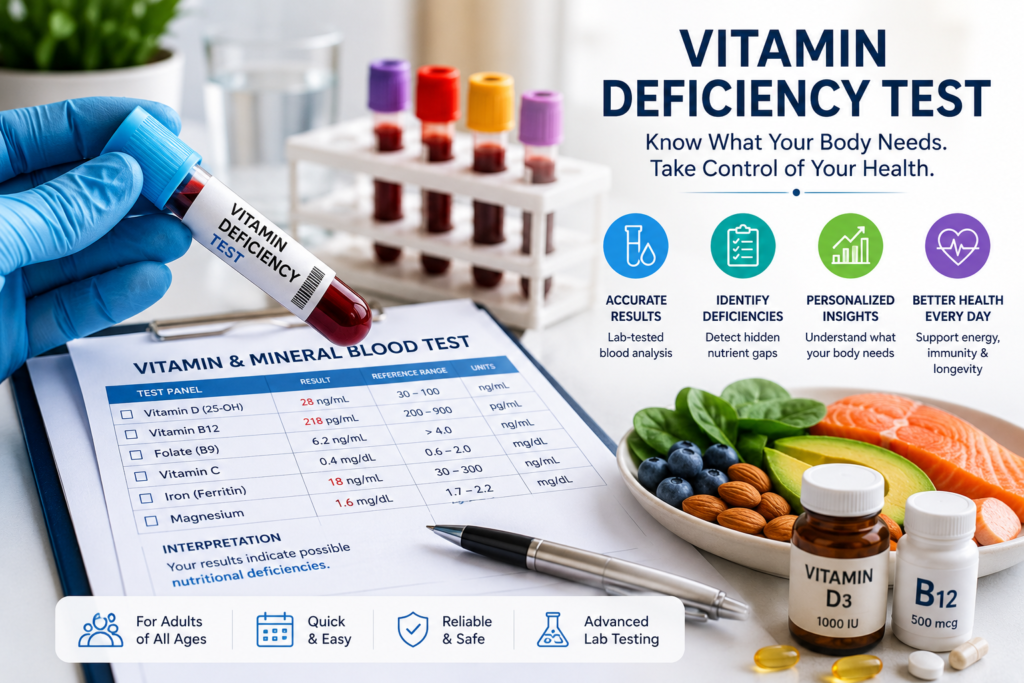
There is no single blood test that reliably identifies every vitamin deficiency.
A useful panel is selected according to symptoms, diet, medical history, medication and previous results.
Common Nutritional Tests
| Nutrient or concern | Common initial tests | Additional tests when needed | Interpretation issue |
|---|---|---|---|
| Vitamin D | Serum 25(OH)D | Calcium, phosphate, PTH, kidney function | Assays and cutoffs vary |
| Vitamin B12 | Serum B12, CBC | MMA, homocysteine, intrinsic factor antibodies | MMA rises with impaired kidney function |
| Folate | Serum folate, CBC | RBC folate, homocysteine | Must consider B12 deficiency |
| Iron | CBC, ferritin | Serum iron, TIBC, transferrin saturation, CRP | Ferritin rises during inflammation |
| Magnesium | Serum magnesium | Urinary or intracellular testing in selected cases | Serum poorly reflects total stores |
| Vitamin C | Dietary and clinical assessment | Plasma vitamin C | Sample handling affects results |
| Vitamin A | Serum retinol | Retinol-binding protein and liver assessment | Serum can remain stable until deficiency is advanced |
| Vitamin E | Serum alpha-tocopherol | Lipid-adjusted interpretation | Lipid levels influence the result |
| Vitamin K | PT/INR in relevant settings | Specialized vitamin K markers | Clotting abnormalities have many causes |
| Protein-energy status | Weight trend, intake, function | Nutrition assessment and body composition | Albumin is strongly affected by inflammation |
| Hydration | Clinical examination and fluid history | Sodium, urea, creatinine, osmolality | No single marker works in every setting |
How to Build a Targeted Vitamin Deficiency Panel
A rational panel begins with the clinical pattern.
Fatigue and Reduced Exercise Tolerance
Consider discussion of:
- complete blood count
- ferritin and iron studies
- vitamin B12
- folate
- thyroid function
- kidney and liver function
- glucose-related testing
- vitamin D when risk factors exist
Neuropathy, Numbness or Altered Balance
Possible investigations include:
- vitamin B12
- methylmalonic acid
- folate
- glucose or HbA1c
- thyroid function
- medication review
- neurological examination
Muscle Weakness or Repeated Falls
Possible areas include:
- vitamin D
- calcium
- magnesium
- potassium
- kidney function
- protein intake
- medication effects
- physical function and fall-risk assessment
Unintentional Weight Loss
The priority is a comprehensive assessment rather than an isolated vitamin panel.
Review may include:
- weight history
- appetite
- chewing and swallowing
- gastrointestinal symptoms
- mood
- medication
- complete blood count
- metabolic testing
- inflammation
- nutrient tests guided by diet and symptoms
Poor Wound Healing
Consider:
- protein and energy intake
- vitamin C
- zinc
- glucose control
- circulation
- infection
- wound pressure and local care
At-Home Vitamin Deficiency Tests vs Clinician-Ordered Tests
At-home vitamin deficiency tests can improve access, but convenience does not guarantee that the correct marker has been selected or correctly interpreted.
| Feature | At-home test | Clinician-ordered test |
|---|---|---|
| Convenience | High | Requires appointment or laboratory visit |
| Test selection | Usually fixed panel | Can be matched to symptoms and history |
| Sample type | Often finger-prick blood | Venous blood or other appropriate sample |
| Clinical examination | Not included | Can be integrated |
| Medication review | Limited | Usually available |
| Follow-up investigation | May require separate care | Can be ordered immediately |
| Best role | Screening selected markers | Diagnosis, complex symptoms and treatment monitoring |
An at-home vitamin D or B12 test may identify a result worth discussing. You can also use our Vitamin Deficiency Symptom Checker to compare your symptoms with common nutrient deficiency patterns before reviewing your results with a healthcare professional. Neither approach should be treated as proof that a symptom is caused by the measured nutrient. Red-flag symptoms, severe abnormalities and possible anemia require professional assessment.
How to Interpret Test Results
Laboratory interpretation should combine five layers.
1. The Numerical Result
Is the value low, borderline, normal or high according to the laboratory?
2. The Biological Context
Could inflammation, kidney function, hydration or medication distort the result?
3. The Clinical Pattern
Do the symptoms and health history fit the suspected deficiency?
4. Related Markers
Does another test confirm or contradict the initial finding?
5. Response to Treatment
Does the marker improve after an appropriate intervention, and do the relevant symptoms change?
The Three-Question Interpretation Rule
Before acting on any nutrient result, ask:
- Does this marker accurately represent the body’s status?
- What caused the abnormality?
- What is the safest way to correct and monitor it?
Reference Range Is Not a Treatment Target
Laboratory reference intervals describe how results are categorized. They do not mean that every person should aim for the highest possible value.
More is not always better.
For nutrients with toxicity potential, aggressively increasing a normal result may cause harm without improving health.
Benefits of Correcting Deficiencies
The benefits of treatment depend on the nutrient, severity, underlying cause and presence of actual deficiency.
Correcting a confirmed deficiency may support the following areas.
Improved Red Blood Cell Production
Iron, vitamin B12 and folate are central to blood formation. Appropriate treatment may improve anemia when the identified nutrient shortage is the true cause.
Better Neurological Protection
Prompt B12 treatment can prevent further neurological injury. Recovery may be incomplete when nerve damage has been present for a long period, which makes early recognition important.
Improved Bone Mineralization
Correcting severe vitamin D deficiency can address impaired mineralization and contribute to a broader bone-health plan.
More Reliable Muscle Function
Vitamin D, magnesium, protein and adequate energy all influence physical function. Treatment is most effective when combined with rehabilitation or resistance exercise where appropriate.
Better Wound Healing
Protein, vitamin C, zinc, energy intake, circulation and glucose control work together. Correcting one confirmed shortage can remove a barrier, but wound healing remains a multi-factor process.
Improved Treatment Precision
Testing can prevent a person from cycling through unrelated supplements.
The greatest benefit may not be a dramatic energy surge. It may be the replacement of guesswork with a measured plan.
Potential Functional Improvement Sequence
This is a conceptual sequence rather than a guaranteed timeline.
Deficiency identified
        ↓
Underlying cause investigated
        ↓
Appropriate treatment selected
        ↓
Biochemical response monitored
        ↓
Diet and medication plan adjusted
        ↓
Strength, cognition or function reassessed
Food, Fortified Foods or Supplements?
The best source depends on the nutrient and the reason for deficiency.
Whole Foods
Whole foods provide protein, fiber, minerals, vitamins and bioactive compounds together.
Examples include:
- fish
- eggs
- dairy foods
- legumes
- nuts
- seeds
- whole grains
- vegetables
- fruit
- lean meat
- poultry
Food is particularly useful when the problem is poor dietary quality rather than malabsorption.
Fortified Foods
Fortified foods can bridge predictable gaps.
Examples include:
- vitamin D-fortified milk
- fortified plant beverages
- B12-fortified nutritional yeast
- fortified breakfast cereals
- folic-acid-fortified grain products
Fortified foods may provide smaller, regular amounts that fit naturally into daily eating.
Oral Supplements
Supplements are useful when:
- food intake cannot meet the need
- a deficiency has been confirmed
- absorption of a concentrated dose remains adequate
- the diet excludes major sources
- a clinician recommends a therapeutic amount
Injections or Medically Supervised Treatment
Parenteral treatment may be needed when:
- absorption is severely impaired
- neurological symptoms require urgent correction
- oral treatment has failed
- adherence is difficult
- the clinical condition requires rapid or reliable delivery
High-dose oral B12 may work in some cases even when ordinary food-bound absorption is impaired, but route and dose should reflect the cause and severity of deficiency.
Source Comparison Table
| Strategy | Main advantage | Main limitation | Best suited to |
|---|---|---|---|
| Whole foods | Broad nutritional value | May be insufficient in malabsorption | Dietary inadequacy |
| Fortified foods | Convenient regular intake | Fortification levels vary | Predictable dietary gaps |
| Standard supplement | Accessible and measurable | Wrong dose or nutrient may be chosen | Maintenance or mild shortfall |
| Therapeutic oral dose | Can correct certain deficiencies | Requires monitoring | Confirmed deficiency with adequate absorption |
| Injection or infusion | Bypasses gastrointestinal barriers | Requires medical delivery | Severe deficiency or malabsorption |
Vitamin Deficiency Treatment Framework
Treatment should follow a sequence rather than beginning with the largest supplement dose available.
Step 1: Define the Clinical Problem
Record:
- symptoms
- duration
- dietary pattern
- weight changes
- digestive symptoms
- medications
- chronic conditions
- previous laboratory results
- supplement use
Step 2: Select the Relevant Biomarkers
Avoid ordering every possible nutrient without a reason. Broad panels can produce incidental borderline results that distract from the actual problem.
Step 3: Identify the Cause
A deficiency caused by poor intake requires a different solution from one caused by bleeding, pernicious anemia or intestinal disease.
Step 4: Correct the Deficiency
Treatment may involve:
- dietary changes
- fortified food
- oral supplements
- injections
- treatment of gastrointestinal disease
- medication adjustment by the prescribing clinician
- management of blood loss
- nutrition support
Step 5: Confirm the Response
The appropriate follow-up interval depends on the nutrient, severity and treatment.
Monitoring may include:
- repeat biomarker testing
- complete blood count
- symptom review
- physical function
- weight
- medication tolerance
- supplement adherence
Step 6: Establish Maintenance
The person may need:
- a sustained food plan
- a lower maintenance dose
- long-term replacement
- periodic testing
- ongoing management of malabsorption
The TRACE Framework
Geronutrition’s practical TRACE framework can be used to organize deficiency care:
| Letter | Action | Core question |
|---|---|---|
| T | Track | What symptoms, weight changes and food patterns are present? |
| R | Review | Which conditions and medications alter nutrient status? |
| A | Assess | Which biomarkers are appropriate? |
| C | Correct | What food or treatment addresses the actual cause? |
| E | Evaluate | Did the biomarker and clinical pattern improve? |
Supplement Safety and Medication Interactions
Nutritional supplements are biologically active.
The word “vitamin” does not guarantee that a product is harmless at any dose.
Fat-Soluble Vitamins Can Accumulate
Vitamins A, D, E and K are stored differently from most water-soluble vitamins. High-dose use can create toxicity or interfere with medication.
Excess vitamin D can produce high calcium levels, kidney problems, abnormal heart rhythm and other serious effects. Vitamin D toxicity is usually caused by excessive supplemental intake rather than sunlight.
Iron Should Not Be Taken Casually
High-dose iron can cause gastrointestinal side effects and may be harmful when excess iron is already present. It can also interact with the absorption of certain medications and minerals.
Folate Can Obscure B12-Related Blood Changes
High-dose folic acid may correct megaloblastic anemia while neurological injury associated with B12 deficiency continues.
Magnesium Can Be Unsafe With Impaired Kidney Function
The kidneys regulate magnesium excretion. A person with significant kidney impairment may not safely clear supplemental magnesium.
Vitamin K Requires Care With Anticoagulants
The goal is usually consistency rather than complete avoidance. Medication and dietary changes should be coordinated with the treating clinician.
Products Can Duplicate One Another
A multivitamin, bone formula, sleep supplement and fortified drink may contain overlapping nutrients. The combined daily amount can be much higher than the label of any one product suggests.
Latest Research on Vitamin Deficiencies
Research in 2025 and 2026 has strengthened an important distinction: correcting a confirmed deficiency is different from using high-dose supplements as universal preventive medicine.
1. Micronutrient Deficiencies Remain Common but Highly Variable
A 2026 review of micronutrient status in older adults highlighted vitamin D, B12, folate, zinc, iron and magnesium as recurring areas of concern. It also emphasized wide variation according to living environment, disease burden and the method used to define deficiency.
Editorial interpretation: A universal “senior vitamin stack” is less defensible than risk-based assessment. Two adults of the same age may have completely different nutritional vulnerabilities.
2. Vitamin D Supplements Are Not a Universal Fracture Solution
A 2026 BMJ systematic review and network meta-analysis reported little to no effect of vitamin D supplementation on overall fracture risk across a large body of trials. The findings primarily challenge routine supplementation as a universal fracture-prevention strategy; they do not mean that severe vitamin D deficiency should remain untreated.
Editorial interpretation: The future of bone nutrition is likely to move away from isolated vitamin D messaging toward integrated assessment of deficiency, calcium intake, protein, muscle strength, physical activity, medication and fall risk.
3. B12 Diagnostics Are Becoming More Function-Oriented
Vitamin B12 assessment is increasingly moving beyond serum B12 alone. Current guidance and research emphasize methylmalonic acid as a useful functional marker, while also recognizing that age and kidney function influence interpretation. A 2026 study examined urinary MMA as a potentially accessible marker for assessing deficiency and treatment response, although larger studies remain necessary.
Editorial interpretation: Nutritional testing is shifting from “How much nutrient is circulating?” toward “Is the nutrient-dependent pathway functioning normally?”
4. Malnutrition and Dehydration Should Not Be Treated as the Same Condition
Research published in 2025 found that malnutrition and dehydration are both common in hospitalized older adults but do not always occur together. One should not be assumed from the presence of the other.
Editorial interpretation: Nutrition and hydration require parallel assessment. A person can be dehydrated without being undernourished, undernourished without being dehydrated, or affected by both.
5. Nursing-Home Residents Show Multiple Nutrient Vulnerabilities
Recent research in nursing-home populations has reported widespread micronutrient inadequacy, with vitamin D, magnesium and potassium among the recurring concerns.
Editorial interpretation: Institutional menus should be assessed not only for calorie provision but also for nutrient density, fortification, sunlight exposure, feeding assistance and actual consumption.
Latest Research Summary Table
| Research direction | Emerging message | Practical implication |
|---|---|---|
| Older-adult micronutrient assessment | Risk varies strongly by health and living environment | Avoid age-only supplement recommendations |
| Vitamin D and fractures | Routine supplementation has limited benefit in generally healthy populations | Test or assess risk rather than assuming need |
| Functional B12 markers | Serum B12 alone can be incomplete | Use MMA or related markers when appropriate |
| Hydration and malnutrition | Related but distinct | Screen both independently |
| Institutional nutrition | Multiple deficiencies may coexist | Improve menus, monitoring and feeding support |
A More Precise Way to Think About Nutritional Optimization
The supplement market encourages a product-first sequence:
Symptom → Search → Supplement → Hope
A more defensible sequence is:
Symptom
   ↓
Risk and dietary assessment
   ↓
Targeted biomarkers
   ↓
Cause identified
   ↓
Food or treatment selected
   ↓
Response measured
The second approach is slower at the beginning but more efficient over time. It reduces unnecessary products, duplicated doses and treatment of the wrong problem.
When Symptoms Need Medical Attention
Seek prompt medical care when deficiency-like symptoms include:
- severe or rapidly worsening weakness
- chest pain
- shortness of breath at rest
- fainting
- black or bloody stools
- vomiting blood
- sudden confusion
- new difficulty walking
- one-sided weakness
- severe dehydration
- persistent rapid heartbeat
- severe numbness or loss of coordination
- unexplained major weight loss
- signs of gastrointestinal bleeding
Older adults can deteriorate quickly when anemia, infection, dehydration, electrolyte disturbance or medication toxicity is present.
Frequently Asked Questions
Can vitamin deficiencies cause fatigue and weakness in older adults?
Yes, several vitamin and mineral deficiencies can contribute to fatigue and weakness, including vitamin B12, folate, vitamin D and iron deficiency. Protein-energy malnutrition and dehydration may produce a similar pattern.
The type of fatigue provides clues but rarely proves the cause.
Fatigue accompanied by pale skin, breathlessness and reduced exercise tolerance may raise concern for anemia. Fatigue with numbness, tingling or balance changes may justify B12 assessment. Muscle weakness with bone discomfort or limited sunlight exposure may support vitamin D testing.
The correct response is not to take several supplements simultaneously. Doing so can make it difficult to determine which problem was present and whether treatment worked.
FAQ Symptom-Signal Chart
Fatigue alone                         ██
Fatigue + restricted diet            ████
Fatigue + pale skin                   ██████
Fatigue + neurological symptoms      ████████
Fatigue + chest pain or breathlessness ██████████
The chart illustrates increasing assessment priority rather than a diagnostic score.
What is the best vitamin deficiency test for older adults?
There is no single best vitamin deficiency test for every older adult.
A targeted panel is usually more useful than an indiscriminate micronutrient screen. The appropriate tests depend on symptoms, health history, medications and dietary pattern.
| Clinical concern | Commonly discussed tests |
|---|---|
| Fatigue or anemia | CBC, ferritin, iron studies, B12, folate |
| Numbness or balance changes | B12, MMA, glucose-related testing, thyroid function |
| Muscle weakness or falls | Vitamin D, calcium, magnesium, kidney function |
| Poor wound healing | Protein assessment, vitamin C, zinc, glucose |
| Restricted vegan diet | B12, iron studies, vitamin D when indicated |
| Malabsorption | Broader testing based on the affected digestive pathway |
Tests should be interpreted as a pattern. A single borderline value should not automatically trigger lifelong high-dose supplementation.
How long does it take to correct a vitamin deficiency?
The timeline varies widely.
A circulating level may improve before tissue repair or symptom recovery is complete. Blood-count changes, neurological recovery, bone mineralization and restoration of muscle strength occur on different timelines.
Factors that influence recovery include:
- severity
- duration
- route of treatment
- absorption
- adherence
- kidney or liver function
- ongoing blood loss
- chronic inflammation
- physical rehabilitation
- whether the symptom was actually caused by the deficiency
A laboratory response without clinical improvement may mean the symptom has another cause. Clinical improvement without appropriate monitoring may still leave uncertainty about whether stores have been restored.
Can a multivitamin correct severe vitamin deficiencies?
A standard multivitamin is primarily designed to supplement ordinary intake. It may not contain a therapeutic dose for a severe deficiency.
It may also contain nutrients the person does not need.
For example, severe B12 deficiency caused by malabsorption may require high-dose oral treatment or injections. Iron-deficiency anemia may require a specific dose and investigation for blood loss. Severe vitamin D deficiency may require a monitored correction plan.
FAQ Treatment Comparison Table
| Situation | Standard multivitamin | Targeted treatment |
|---|---|---|
| Minor dietary gap | May help | Food changes may be sufficient |
| Confirmed severe deficiency | Often inadequate | Usually required |
| Malabsorption | Unreliable | High-dose or alternative route may be needed |
| Multiple unknown symptoms | Can obscure the picture | Testing and diagnosis preferred |
| Long-term maintenance | Sometimes appropriate | Depends on cause and follow-up |
Can vitamin deficiency symptoms be mistaken for aging?
Yes. Fatigue, weakness, slower walking, poor appetite, reduced concentration and balance changes are often attributed to age even though they may have a treatable nutritional, medical or medication-related cause.
The opposite error also occurs: a person may attribute every age-related change to vitamins and overlook arthritis, sleep disorders, depression, cardiovascular disease, diabetes, thyroid disease or neurological illness.
The most accurate position lies between those extremes. Aging increases vulnerability, but it should not be used as a diagnosis.
People Also Ask
What are the most common vitamin deficiencies in elderly adults?
Vitamin D and vitamin B12 are among the most frequently discussed deficiencies in older adults. Folate deficiency can also occur, while iron, magnesium, zinc, protein inadequacy and dehydration are important adjacent concerns.
The ranking changes according to setting.
A community-dwelling adult with a varied diet may have a different risk profile from a nursing-home resident with limited sunlight, reduced appetite and feeding dependence.
PAA Risk Pattern Chart
Limited sunlight → Vitamin D risk
Low animal-food intake → B12 and iron risk
Chronic diarrhea → Multiple vitamin and mineral risks
Low appetite → Protein and broad micronutrient risk
Diuretics + low fluid intake → Electrolyte and hydration risk
The direction of each arrow indicates a reason to assess, not proof of deficiency.
What causes multiple vitamin deficiencies at the same time?
Multiple deficiencies usually suggest a broad problem rather than several unrelated nutrient failures.
Possible explanations include:
- severe dietary restriction
- chronic malabsorption
- bariatric or intestinal surgery
- alcohol dependence
- prolonged illness
- food insecurity
- pancreatic disease
- inflammatory bowel disease
- reduced appetite with weight loss
- extensive medication burden
When several deficiencies coexist, simply replacing each nutrient may not solve the underlying problem. The digestive condition, food-access problem or clinical illness must also be addressed.
How do you know whether fatigue is caused by vitamin deficiency?
Fatigue is more likely to involve a nutrient deficiency when it appears alongside a relevant risk factor, compatible symptoms and abnormal biomarkers.
| Evidence level | Example |
|---|---|
| Weak evidence | Fatigue alone |
| Moderate evidence | Fatigue plus a restrictive diet |
| Stronger evidence | Fatigue, pale skin and abnormal CBC |
| More specific evidence | Low ferritin with compatible iron studies |
| Confirmatory pattern | Deficiency identified, cause addressed and fatigue improves |
No single symptom can distinguish vitamin-related fatigue from sleep deprivation, thyroid disease, depression, infection or cardiovascular disease.
Is vitamin deficiency vs mineral deficiency treated differently?
Sometimes.
The general principles are similar: identify the shortage, determine the cause, correct it safely and monitor the response.
The details differ because nutrients have different absorption systems, storage patterns and toxicity risks.
Iron deficiency may require investigation for bleeding. B12 deficiency may require assessment of malabsorption. Magnesium replacement depends heavily on kidney function. Vitamin D treatment must consider calcium and related bone markers.
PAA Treatment Table
| Deficiency | Central treatment consideration |
|---|---|
| Vitamin D | Baseline level, calcium status and cause |
| Vitamin B12 | Neurological symptoms and absorption |
| Folate | Exclude or evaluate B12 deficiency |
| Iron | Investigate blood loss and inflammation |
| Magnesium | Review kidney function and medication |
| Protein | Improve total intake, distribution and meal tolerance |
| Dehydration | Consider heart, kidney and fluid restrictions |
Can you have normal blood results and still have a nutrient deficiency?
Yes, but the meaning depends on the nutrient and test.
Serum magnesium can remain within range despite limited total-body reserves because very little magnesium circulates in the serum. A borderline serum B12 result may require MMA testing. Hemoglobin may remain normal during early iron-store depletion.
However, “normal blood tests” should not be used as automatic evidence that every unexplained symptom is a hidden deficiency.
A more accurate interpretation asks:
- Was the right nutrient tested?
- Was the right biomarker used?
- Could inflammation or kidney function distort the result?
- Does the clinical pattern fit?
- Is there another more likely diagnosis?
Editorial Insights
Vitamin deficiencies should not be framed as a hunt for the one missing pill that explains every change associated with aging.
They are better understood as failures in a nutritional system.
Food must contain the nutrient. Digestion must release it. The intestine must absorb it. The liver and kidneys may need to activate or regulate it. Blood must transport it. Cells must use it. Medications, inflammation and disease can interfere at every stage.
That is why the future of nutritional care will depend less on generic age-based supplement lists and more on pattern recognition.
The most valuable questions will be:
- What function is declining?
- Which nutrient pathways are biologically plausible?
- Which biomarkers can confirm or challenge the hypothesis?
- What caused the deficiency?
- Is the treatment correcting the underlying problem?
- Has the person’s strength, cognition, blood health or independence improved?
This approach also changes the meaning of optimization.
Optimization is not the pursuit of unusually high laboratory values. It is the restoration of sufficient nutrient availability without creating toxicity, unnecessary cost or false reassurance.
For older adults, that precision has practical consequences. It can separate treatable weakness from “just aging,” reveal malabsorption before repeated supplement failure, identify iron depletion before severe anemia develops, and prevent a general multivitamin from being used as a substitute for clinical investigation.
The strongest strategy is neither food-only ideology nor supplement-first enthusiasm.
It is measured nutrition: food as the foundation, biomarkers where they add clarity, targeted treatment when a deficiency is present, and continued attention to the person’s real-world function.